- Bareo
- March 2026
Thailand has become one of the world’s most desirable destinations for those seeking not only a place to visit, but a place to live, invest, and truly enjoy life. From vibrant metropolitan living in Bangkok to serene beachfront retreats in Phuket and peaceful residences in Hua Hin or Chiang Mai, the country offers a diverse range of lifestyles tailored to different stages of life.
For many expatriates, Thailand represents more than relocation. It offers a complete lifestyle ecosystem that combines recreation, wellness, and long-term living. Golf courses, beach clubs, fine dining, spa and wellness culture, and a rich culinary heritage all contribute to a quality of life that is both active and refined. At the same time, Thailand has become a preferred destination for retirement, offering comfort, affordability, and a slower pace of life supported by international-standard healthcare and services.
However, living in Thailand is fundamentally different from visiting. The transition from short-term stay to long-term residence requires thoughtful planning, especially when it comes to creating a home that supports daily life in a tropical environment.
Understanding Living in Thailand
Relocating to Thailand introduces a set of environmental and lifestyle conditions that directly influence how a home should be designed. The tropical climate brings heat and humidity throughout the year, which affects materials, ventilation, and long-term durability. Dust and air quality also play a role, particularly in urban areas, making proper air circulation and filtration essential.
Noise, privacy, and spatial functionality are additional considerations, especially in condominium living where the condominium located in the heart of Bangkok Metropolis or other big cities. Many expatriates also adapt to a different lifestyle rhythm that may include domestic help, frequent hosting, or extended stays throughout the year. These factors require a level of planning that goes beyond aesthetics.
Interior design in Thailand is therefore not simply about visual appeal. It is a technical and lifestyle-driven discipline that integrates environmental understanding with daily living needs.
Property Ownership in Thailand & Design Implications
(1) Foreign Ownership Regulations
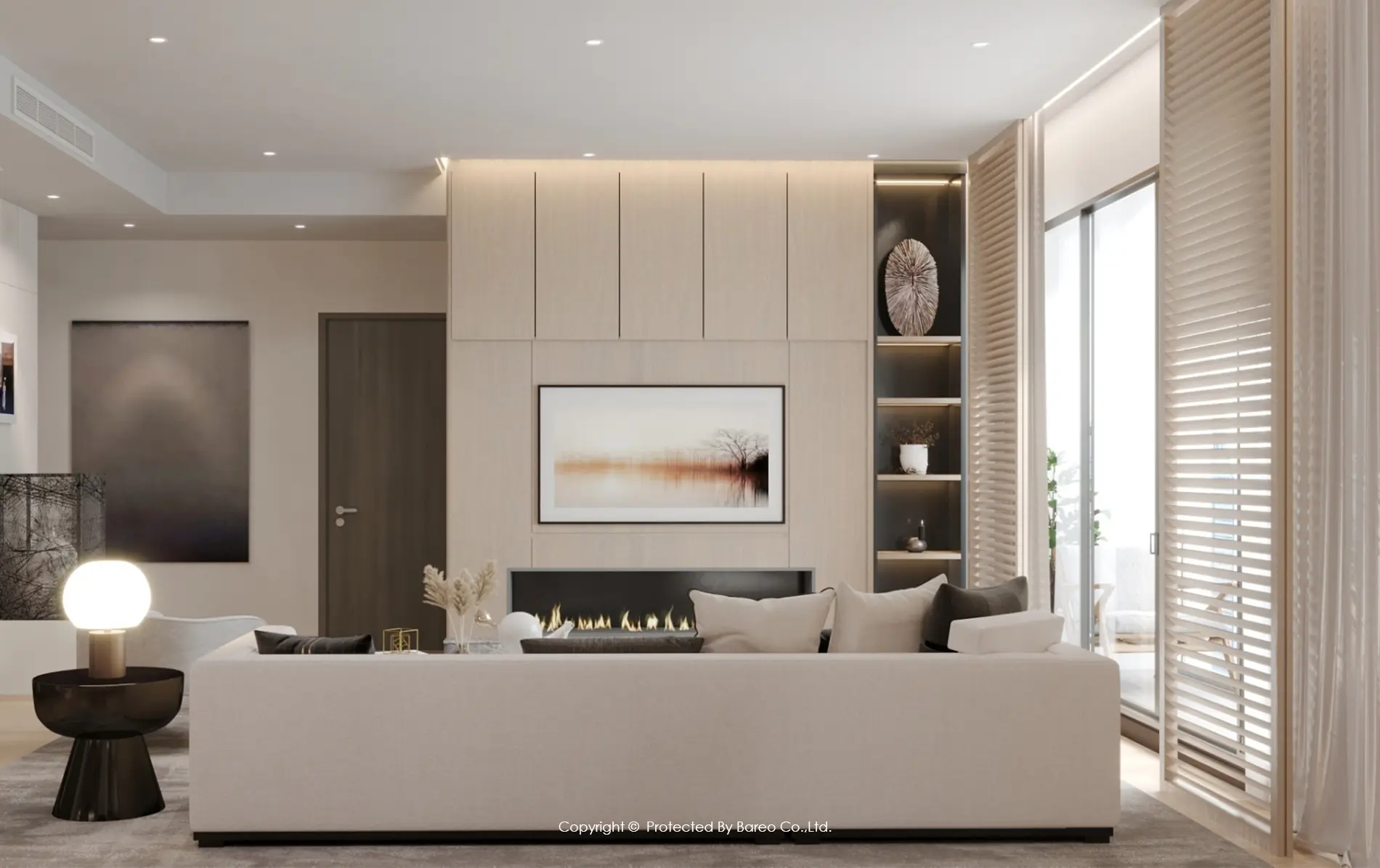
Foreign nationals are not permitted to directly own land in Thailand, and therefore cannot hold freehold ownership of houses with land in the same manner as Thai citizens. However, there are established legal frameworks that allow expatriates to secure long-term residential options.
Foreigners can legally purchase condominium units under freehold ownership, subject to foreign ownership quotas within each development. Alternatively, houses and villas can be leased on a long-term basis, typically structured as 30-year lease agreements with potential renewal options depending on contractual terms. These ownership structures are not merely legal details. They directly influence how interior design should be approached.
- Condominium Living
For expatriates purchasing a condominium, the property is often intended as a long-term asset, whether for personal use, investment, or retirement. As a result, the interior is expected to be complete, functional, and ready for immediate occupancy.
Design in this context focuses on fully finished interiors, combining built-in furniture, efficient space planning, and a cohesive design language. Modifications to mechanical, electrical, and plumbing systems are typically limited and must comply with building regulations and juristic management.
Precision in planning becomes essential. Every detail must be resolved prior to execution to ensure consistency, quality, and long-term value.
- Long-term Lease Residences
For those choosing to lease a house or villa, the decision to invest in interior design often requires a different perspective. While ownership may not be permanent, long-term leases represent a significant lifestyle commitment, often spanning decades.
Interior design in this scenario should not be viewed as a temporary expense, but as an investment in quality of living. The approach may incorporate more flexible or semi-permanent solutions, while still maintaining a high standard of comfort, functionality, and personalization.
The goal is to create a home that feels complete and refined, regardless of ownership structure.
(2) Strategic Perspective
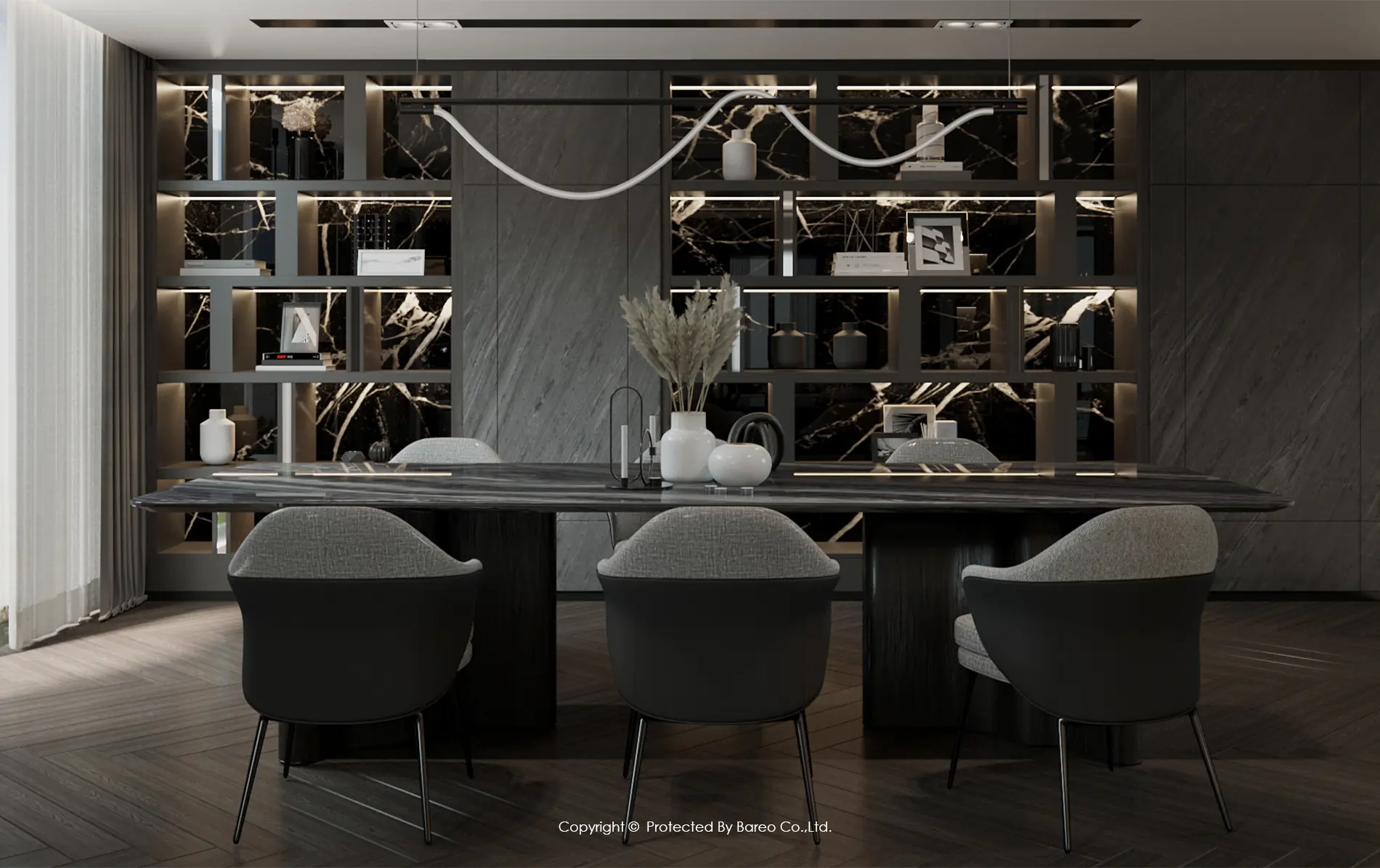
Property ownership frameworks in Thailand shape the way a home is designed, built, and experienced. A condominium demands precision and permanence, while a leased residence calls for adaptability and lifestyle-driven solutions.
Understanding this distinction is essential before beginning any interior project, as it defines both the scope of work and the level of investment required. From the very first private consultation, clients are guided to clearly define their requirements and establish a precise direction for the project with confidence.
(3) Why Interior Planning Should Start Before You Move
One of the most common challenges expatriates face is arriving in Thailand only to discover that their property is not yet ready for living. Delays in construction, incomplete installations, and coordination issues can extend for several months, creating unnecessary stress during what should be a smooth transition.
Planning interior design in advance allows the entire process to be completed before arrival. This ensures that the home is fully prepared, functional, and aligned with the owner’s expectations from day one.
Early planning also provides better control over budget, timeline, and design quality. It reduces the need for revisions and minimizes the risk of miscommunication, particularly when working across different languages and time zones.
A well-prepared home transforms relocation into a seamless experience.
(4) The Professional Interior Design Process
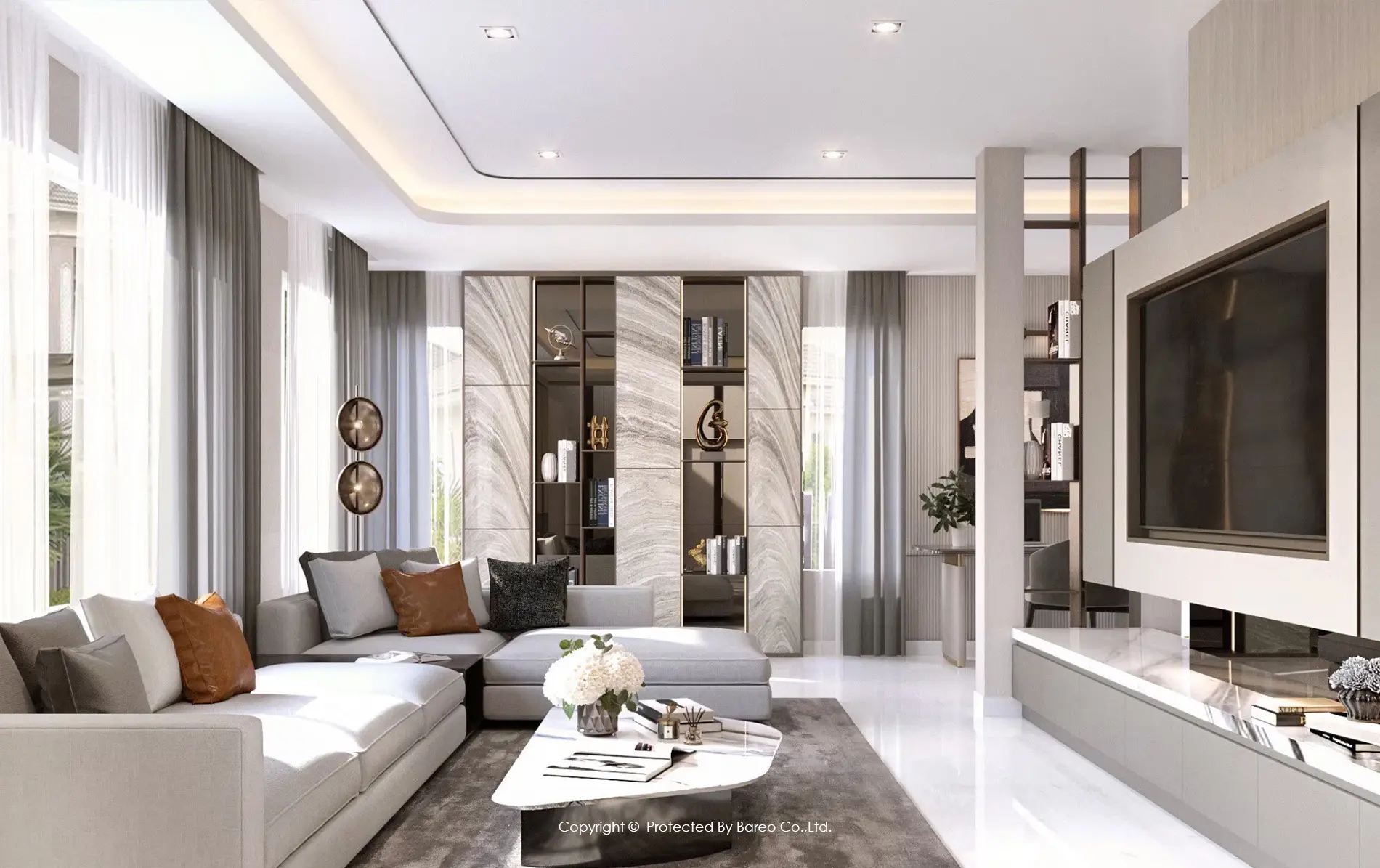
A successful interior project is built on a structured and well-managed process. Each stage plays a critical role in translating vision into a tangible and refined environment.
The process typically begins with concept design, where spatial planning and design direction are established. This is followed by 3D visualization, allowing clients to clearly understand the proposed outcome before construction begins.
The most critical phase is the development of detailed construction drawings. These documents define every specification required for production, ensuring that all elements are executed accurately. Without this level of detail, contractors are left to interpret the design independently, often leading to inconsistencies and compromised results.
The final stages include production and installation, where the design is brought to life through coordinated execution.
Precision in documentation is what transforms design into a flawless reality.
Key Technical Considerations in Thailand

(1) Materials and Health
Material selection plays a significant role in both durability and well-being. Low-emission materials such as E0 boards, low-VOC finishes, and water-based paints help reduce harmful substances within the home, creating a healthier indoor environment.
(2) Climate Adaptation
Thailand’s humidity requires materials and construction methods that resist moisture, prevent mold, and maintain long-term integrity. Proper detailing and installation are essential to ensure that the design remains stable over time.
(3) MEP Systems
Air conditioning, electrical systems, and plumbing must be carefully planned to suit both the property type and the user’s lifestyle. Inadequate planning in these areas can significantly impact comfort and functionality.
Working with Local Professionals
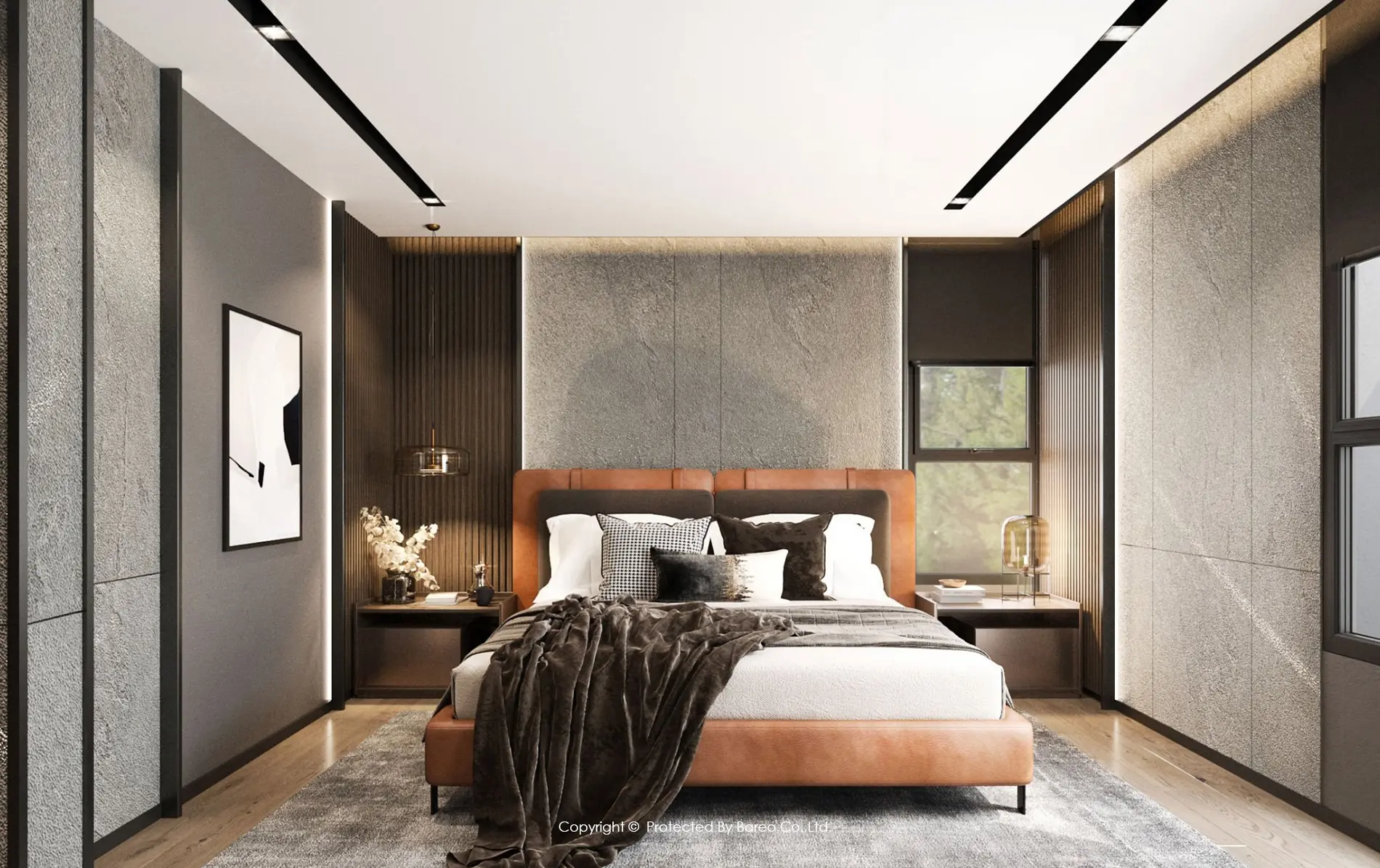
For many expatriates, one of the biggest challenges is navigating communication, coordination, and quality control in an unfamiliar environment. Differences in language, work processes, and expectations can lead to delays and inconsistencies if not properly managed.
Working with a professional interior design firm that offers a structured approach helps bridge this gap. Clear documentation, transparent communication, and a proven track record are essential factors in ensuring a successful project.
Turnkey Interior Service as a Seamless Solution
A turnkey interior service provides a fully integrated solution, managing every stage from design to production and installation under a single system. This approach simplifies the entire process and ensures consistency across all phases of the project.
With a single point of contact, clients can rely on clear communication and coordinated execution. Risks such as delays, budget overruns, and misinterpretation are significantly reduced.
For expatriates, this level of control and certainty provides peace of mind, especially when managing a project remotely.
Timeline and Planning Guidance
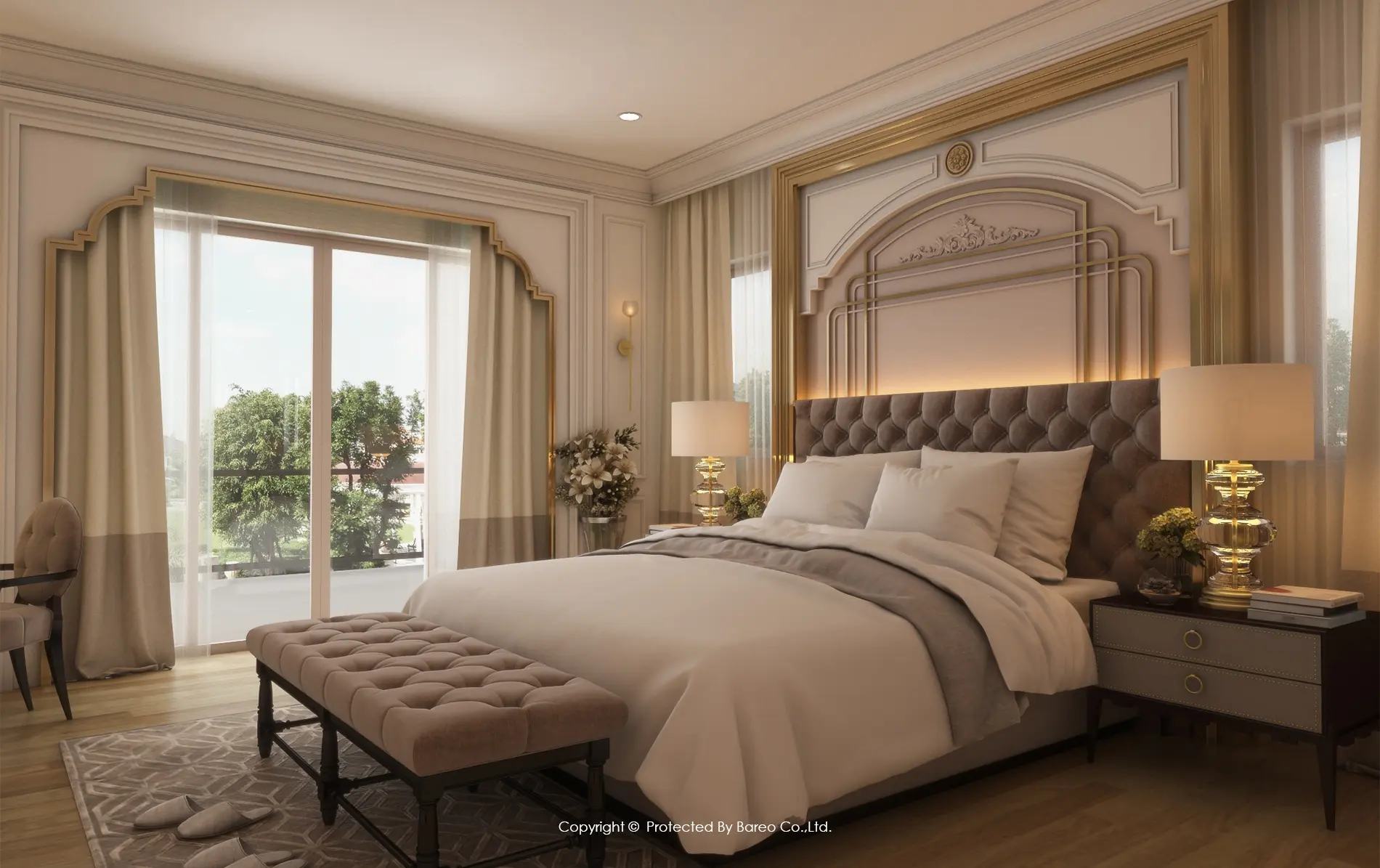
Interior projects in Thailand typically require careful scheduling to ensure quality and efficiency. Design development may take 2-4 months, followed by a production and installation phase of 3-5 months depending on the scope.
For expatriates planning to relocate, it is advisable to begin the process at least 5-9 months in advance (Or more, for large scale project). This allows sufficient time for design refinement, approvals, and execution before arrival.
Designing a Home, Not Just a Property
Relocating to Thailand is not simply about acquiring a property. It is about creating a home that supports a new chapter of life. A well-designed interior enhances daily living, reflects personal identity, and provides lasting comfort.
At Bareo, this belief is expressed through a simple philosophy. “Not only luxury, it the heritage”
Each project is designed to endure, offering both aesthetic refinement and long-term value.
Begin Your Journey with BAREO
Whether you are planning a penthouse in Bangkok, a beachfront villa in Phuket, or a private residence in Hua Hin or Chiang Mai, a well-guided interior design process ensures that your home is ready when you are.
You can contact Bareo to consult about interior design and explore a fully guided turnkey service tailored to your lifestyle in Thailand.
Contact us :

Call :
(+66) 61-846-6633

E-mail :
[email protected]

LINE Official :
@bareo

Facebook Page :
Design by Bareo

WeChat :
bareoth
FAQ :
Q1 : How long does a turnkey interior design project take in Thailand?
A1 : The timeline of a turnkey interior design project in Thailand depends on the size and complexity of the residence. A typical process may include:
- Design Phase: approximately 2 – 3 months (Or Until Client Satisfy)
- Detailed Development & Documentation: 1 – 2 months
- Production & Installation: 2 – 4 months
In total, most projects range between 5 to 9 months. (Or more, depends on the scale and details of the project)
Projects with fully integrated turnkey systems tend to achieve better timeline control, as all stages are coordinated within a single workflow, reducing delays caused by miscommunication or fragmented responsibilities.
Q2 : Is built-in furniture better in Thailand?
A2 : Built-in furniture is widely used in Thailand, particularly in luxury residences, due to its ability to maximize space and create a cohesive design language. It is especially suitable for:
- Condominiums and limited spaces
- Homes requiring precise customization
- Long-term residential use
However, built-in furniture is not always the only solution. A balanced combination of built-in and loose furniture often provides the best result, offering both design consistency and flexibility for future changes. The key is not choosing one over the other, but selecting the right approach based on lifestyle, space planning, and long-term use.
Q3 : How can I ensure quality and reliability in an interior project?
A3 : To ensure a successful outcome, it is important to consider:
- Whether the company has a structured design and documentation process
- Clarity of material specifications (e.g., E0 boards, low-VOC finishes)
- Proven portfolio of completed projects (not only 3D renderings)
- Production capability and quality control standards
In high-end interiors, quality is not defined by design alone but by how consistently that design is executed in reality.
Written by Than.T (Thanchanok Thammakulangkul)
Bachelor of Architecture, First-Class Honors, King Mongkut’s University of Technology Thonburi (2019), Master of Business Design, Domus Academy, Milan (2020), Grade 106/110 and One-year program in “Chinese for Foreigners,” Donghua University, Shanghai, awarded “Excellent Student” for both semesters (2024–2025)
Passionate about design and writing since high school, Than.T has authored articles on architecture, art, and interior design for over 15 years.
Writing Advisor:
Mr. Worawut Thammakulangkul
Interior Designer and Founder of Bareo Company Limited
With over 35 years of experience, Mr. Worawut stands as one of Thailand’s foremost figures in luxury interior design. His visionary approach has shaped some of the nation’s most distinguished residences—spaces that embody both timeless beauty and the unique lifestyle of each homeowner. As the creative leader behind Bareo’s award-winning projects, he has guided the design team to achieve numerous international accolades. His expertise, artistry, and unwavering dedication continue to elevate Thailand’s interior design industry onto the global stage.

Share This Post
Tag:
CONTENT RELATED