- Bareo
- February 2026
A New Definition of Sustainable Luxury
In today’s furniture industry, whether for built-in systems or knock-down furniture, wood-based panels (wood boards) are the primary materials used, ranging from cabinet fronts and carcasses to internal storage units. As a result, these materials are constantly present within our living spaces.
However, one critical issue associated with wood boards is their continuous emission of volatile substances, which can significantly impact indoor air quality and human health. In the furniture industry, these emissions are commonly referred to as VOCs (Volatile Organic Compounds).
What Are VOCs?
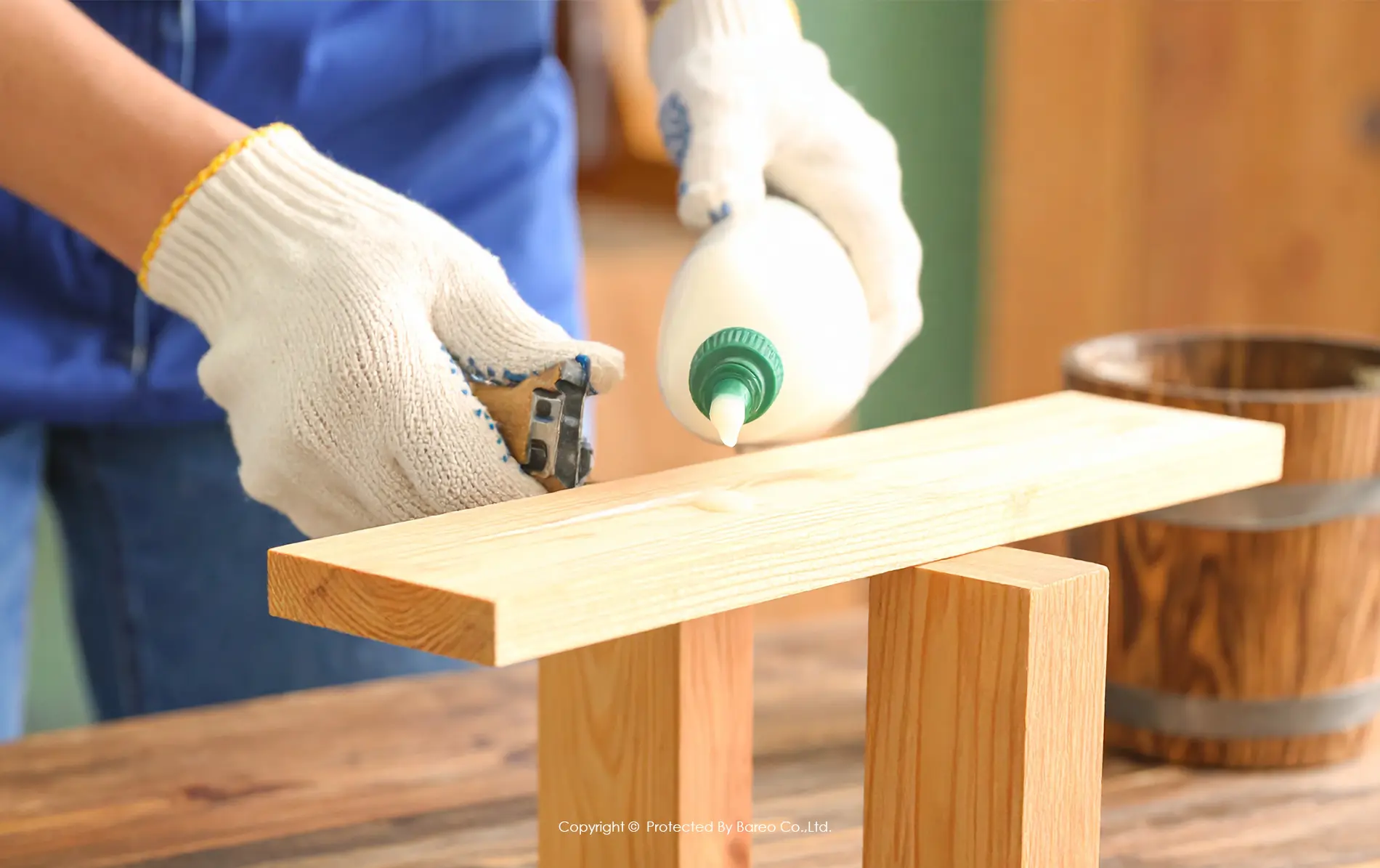
VOCs (Volatile Organic Compounds) are organic chemicals composed primarily of carbon and hydrogen, often combined with other elements. These compounds have low boiling points, allowing them to easily evaporate at room temperature, yet they decompose slowly and can persist in the air for extended periods.
They are considered a major contributor to indoor air pollution and are commonly found in materials such as paints, thinners, adhesives, and cleaning agents.
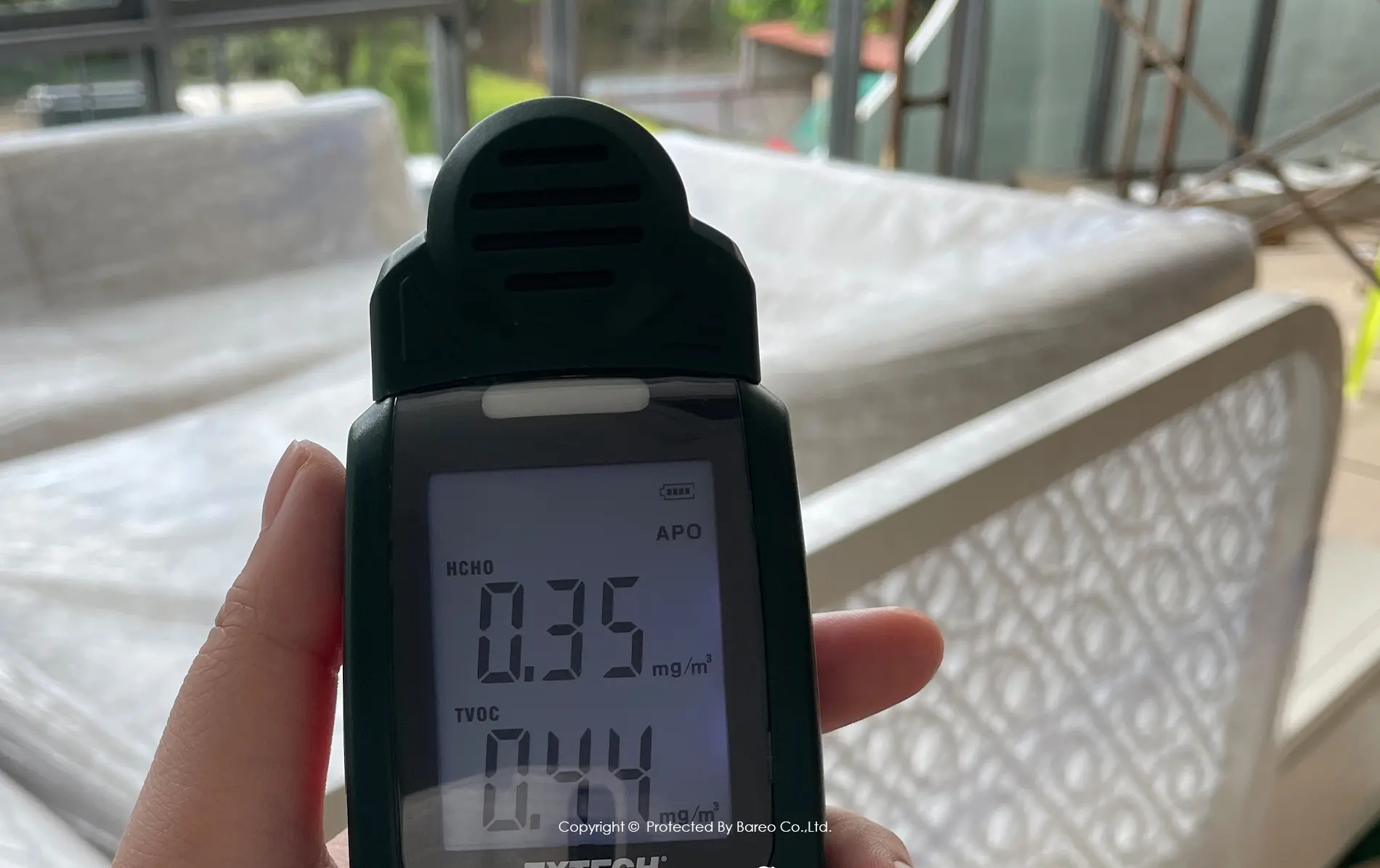
Among these, one of the most harmful VOCs is formaldehyde, a substance widely recognized for its health risks. Formaldehyde is a key component of urea-formaldehyde (UF) adhesives, which are extensively used in the production of engineered wood products such as plywood, MDF, particle board, and HMR boards.
Consequently, these materials inherently contain relatively high levels of VOCs. When processed into furniture and installed within homes, they gradually release these compounds into the air—posing potential health risks, particularly in spaces with poor ventilation.
Why Does Urea-Formaldehyde Adhesive Emit Formaldehyde?
Urea-formaldehyde (UF) resin is created by combining urea and formaldehyde, forming a strong and cost-effective adhesive that cures quickly. This makes it a preferred choice in mass production of engineered wood panels. However, the chemical reaction involved is often incomplete, leaving behind free formaldehyde within the material. Over time, this residual formaldehyde slowly off-gasses at room temperature, resulting in long-term emissions that can negatively affect indoor air quality and human health.
Alternatives to UF Adhesives
In response to health and environmental concerns, alternative adhesives have been developed, such as:
- Phenol-formaldehyde (PF): Emits significantly lower levels of formaldehyde and is commonly used in exterior-grade plywood
- MDI (Isocyanate resin): Contains no formaldehyde emissions at all
Despite these advancements, such alternatives are considerably more expensive, which is why many manufacturers still rely on UF-based boards. This is especially evident in mass-produced knock-down furniture made from particle board, MDF, or HMR.
For better health and well-being, it is advisable to select furniture made from Low VOC or Very Low VOC materials, reducing exposure to unpleasant odors and potential long-term health risks.
European E-Grade Classification for Wood Boards
Wood panels are classified according to the European Standard (E-rating), which measures the level of formaldehyde emissions. A lower E-value indicates lower emissions and higher safety for indoor use.
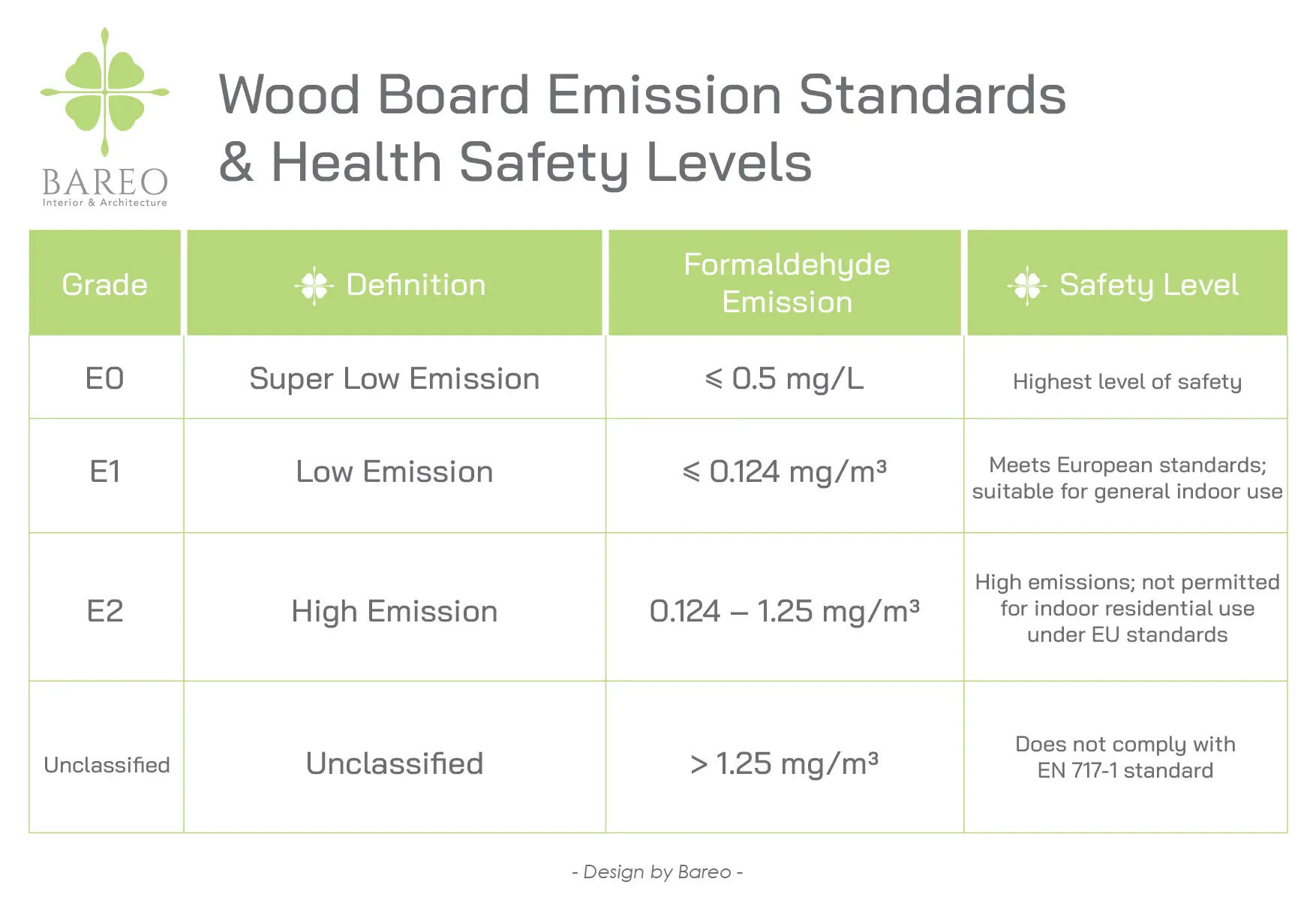
E0: The lowest emission level (comparable to natural wood), offering the highest level of safety, equivalent to Japan’s Four-Star standard
E1: Low emission level, safe for general indoor use; this is the minimum standard permitted for residential and commercial interiors under EU and JIS regulations
E2: High emission level, not suitable for indoor use under European standards; commonly found in regions with less strict regulations
Beyond health considerations, E0-grade wood aligns with the concept of “Sustainable Luxury”—a principle that Bareo upholds as a core philosophy. This approach integrates aesthetic excellence, material quality, and long-term environmental responsibility, ensuring that every design is beneficial to both its inhabitants and the planet.
In today’s world, where interiors play an increasingly significant role—especially in homes and workplaces where people spend extended hours—material safety is no longer optional, but essential.
At Bareo, we have pioneered the use of E0-grade wood panels for built-in furniture for many years. Although these materials come at a significantly higher cost compared to conventional engineered wood, they represent a worthwhile investment—prioritizing the health and well-being of our clients above all else.
If you believe that interior design should go beyond aesthetics to embrace health, sustainability, and long-term value, it is time to choose materials like E0 wood as part of your living environment.
Let Bareo guide you through every step of the design journey—with over 35 years of experience and a commitment to selecting only the finest materials you can trust.
Contact us today to transform your home into a space that embodies true sustainable luxury.
Contact us :
- LINE Official: @bareo
- Facebook Fanpage: Design by Bareo
- Tel: (+66) 61-846-6633
Sources :
https://www.plywood.cc
https://www.yalongwood.com
https://www.greenriverholding.com
https://www.reka.sg
https://www.wazzadu.com
Written by Than.T (Thanchanok Thammakulangkul)
Bachelor of Architecture, First-Class Honors, King Mongkut’s University of Technology Thonburi (2019), Master of Business Design, Domus Academy, Milan (2020), Grade 106/110 and One-year program in “Chinese for Foreigners,” Donghua University, Shanghai, awarded “Excellent Student” for both semesters (2024–2025)
Passionate about design and writing since high school, Than.T has authored articles on architecture, art, and interior design for over 15 years.
Writing Advisor:
Mr. Worawut Thammakulangkul
Interior Designer and Founder of Bareo Company Limited
With over 35 years of experience, Mr. Worawut stands as one of Thailand’s foremost figures in luxury interior design. His visionary approach has shaped some of the nation’s most distinguished residences—spaces that embody both timeless beauty and the unique lifestyle of each homeowner. As the creative leader behind Bareo’s award-winning projects, he has guided the design team to achieve numerous international accolades. His expertise, artistry, and unwavering dedication continue to elevate Thailand’s interior design industry onto the global stage.

Share This Post
Tag:
CONTENT RELATED