- Bareo
- March 2026
vs Loose Furniture in Luxury Homes
Why Built-in Furniture Often Feels More Luxurious Than Loose Furniture in Thailand?
When international homeowners relocate to Thailand, one of the first design differences they often notice is the prevalence of built-in furniture. In many Western countries, luxury homes are commonly furnished with carefully selected loose pieces such as designer sofas, freestanding cabinets, and collectible furniture.
However, in Thailand high-end residences frequently incorporate extensive built-in furniture systems that are designed and fabricated specifically for the space. From walk-in wardrobes and media walls to integrated storage and concealed service areas, these elements are not simply decorative additions. They are architectural components of the interior itself.
For expatriates planning a residence or condominium in Thailand, understanding this design culture helps explain why many luxury homes in the country feel exceptionally refined, seamless, and carefully composed.
Furniture as a part of Interior, Not just Decoration
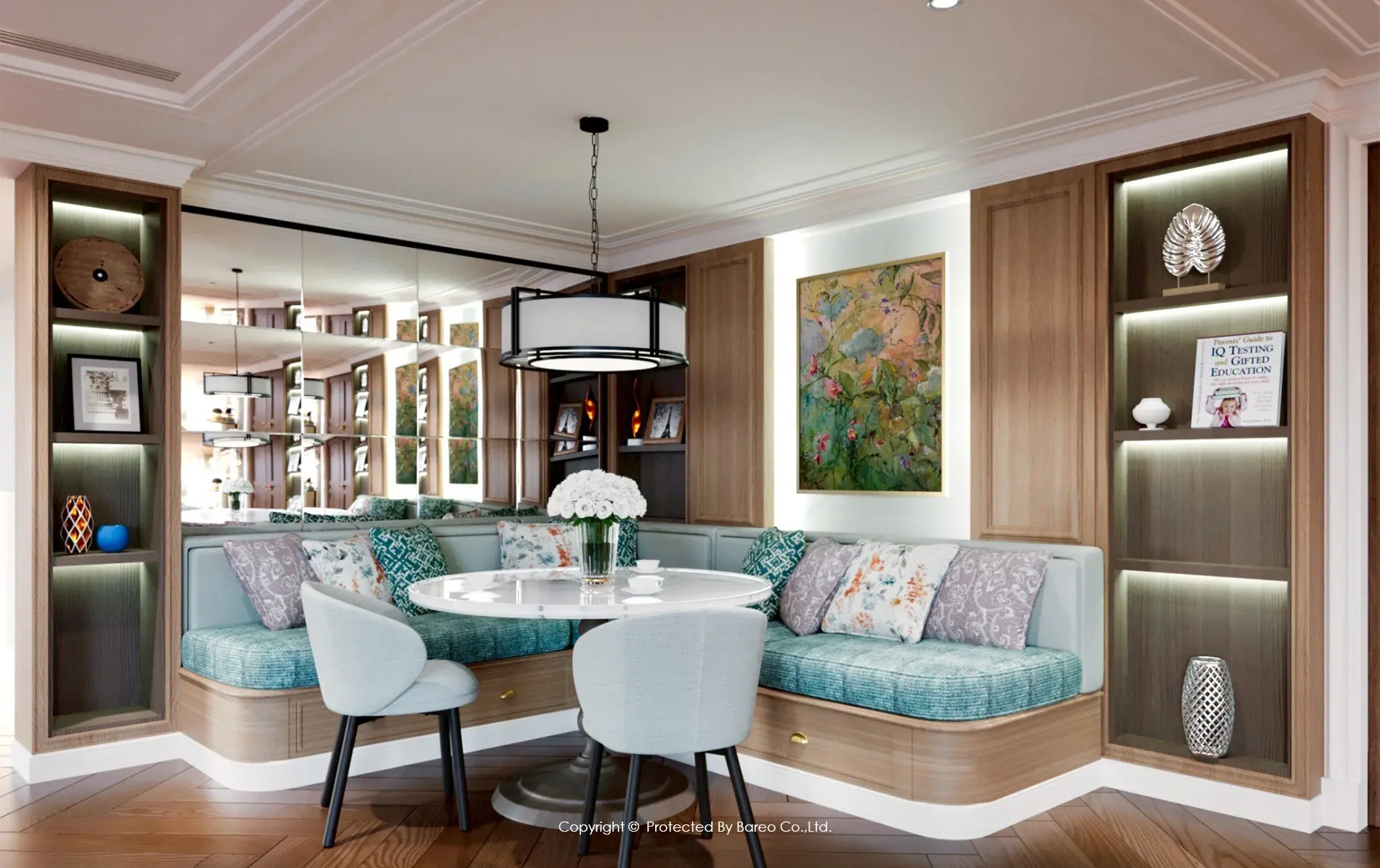
Loose furniture is typically selected after the interior is complete. It occupies the room but rarely becomes part of the spatial structure.
Built-in furniture, by contrast, is designed together with the interior design. The dimensions, proportions, and materials are developed simultaneously with the space planning. As a result, the furniture appears to grow naturally from the walls and floors rather than being placed into the room afterward.
This approach creates a visual continuity that many people instinctively associate with luxury. Walls align with cabinetry, lighting integrates into shelving, and storage disappears into carefully detailed panels. The room feels composed as a single system rather than a collection of individual objects.
Precision and Permanence
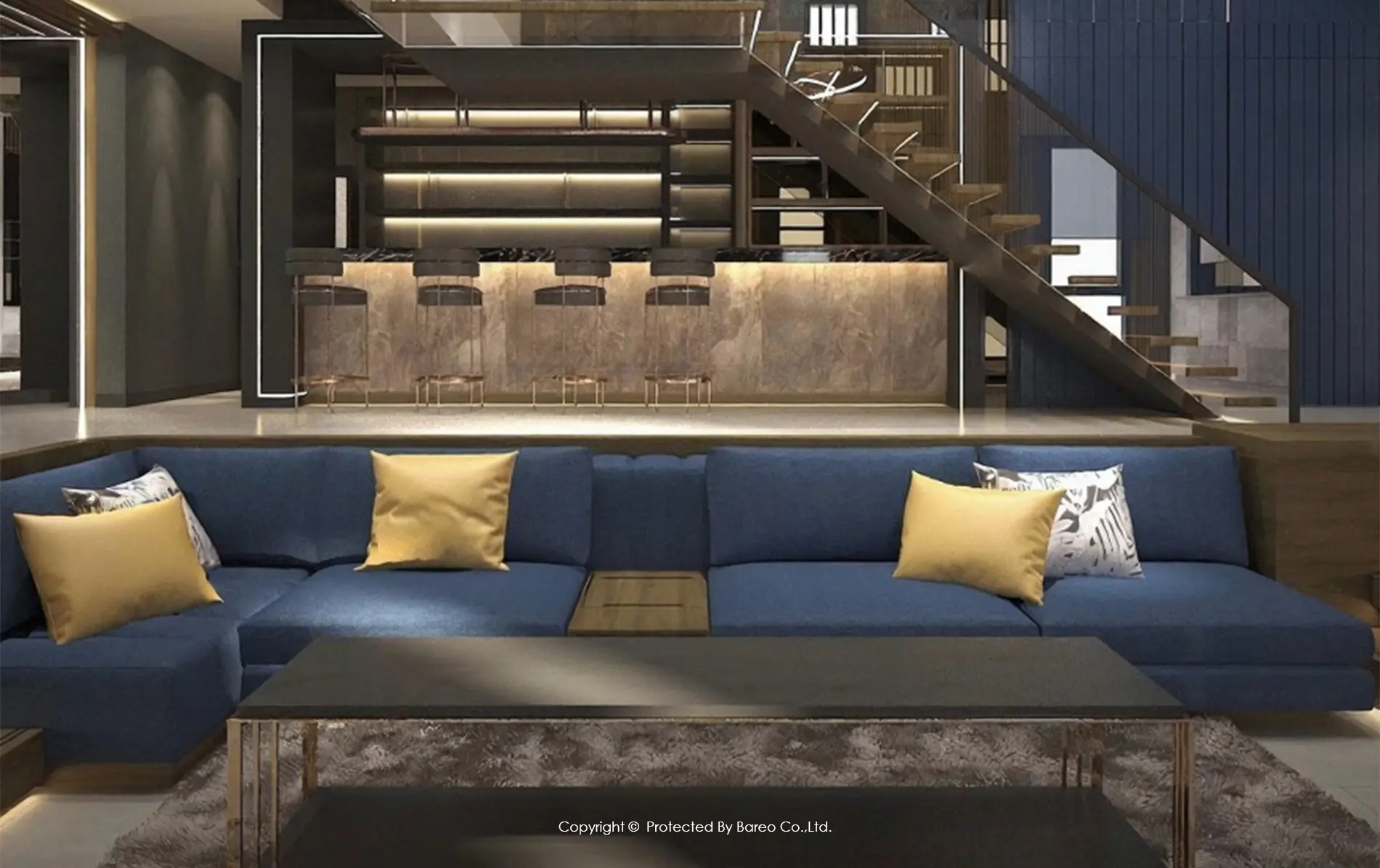
Another reason built-in furniture is widely preferred in Thailand’s luxury homes lies in the sense of permanence it provides. Freestanding furniture is flexible but temporary by nature. Pieces can be moved, replaced, or rearranged over time. While this adaptability can be useful, it also creates a feeling of impermanence.
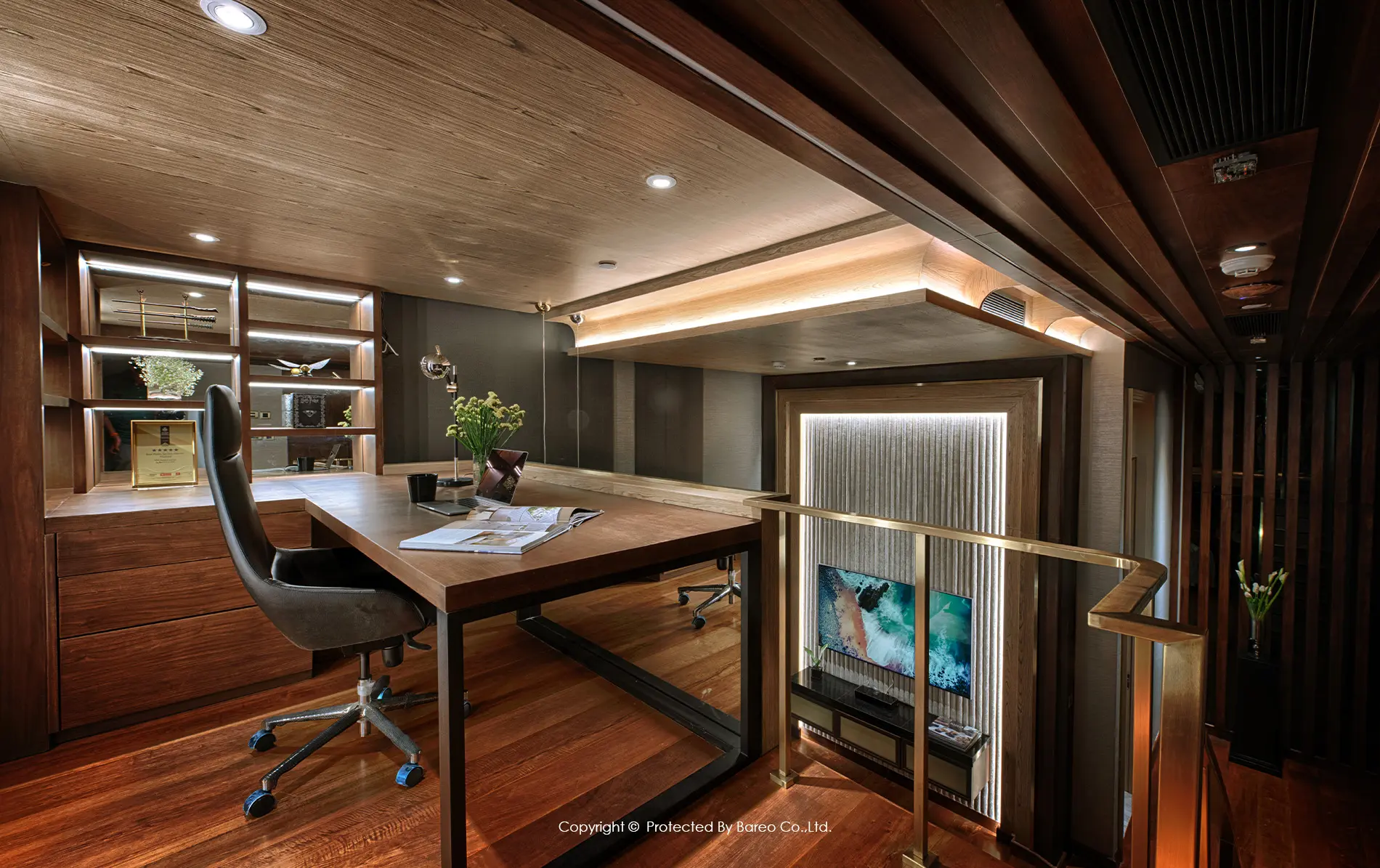
On the other hand, built-in furniture suggests intention and long-term investment. When wardrobes, TV Partition, or study areas are custom fabricated for a specific residence, they signal that the home was carefully crafted rather than casually furnished.
In luxury design, permanence often communicates quality. It suggests that the space was planned to endure rather than simply to function.
Space Efficiency in Urban Living
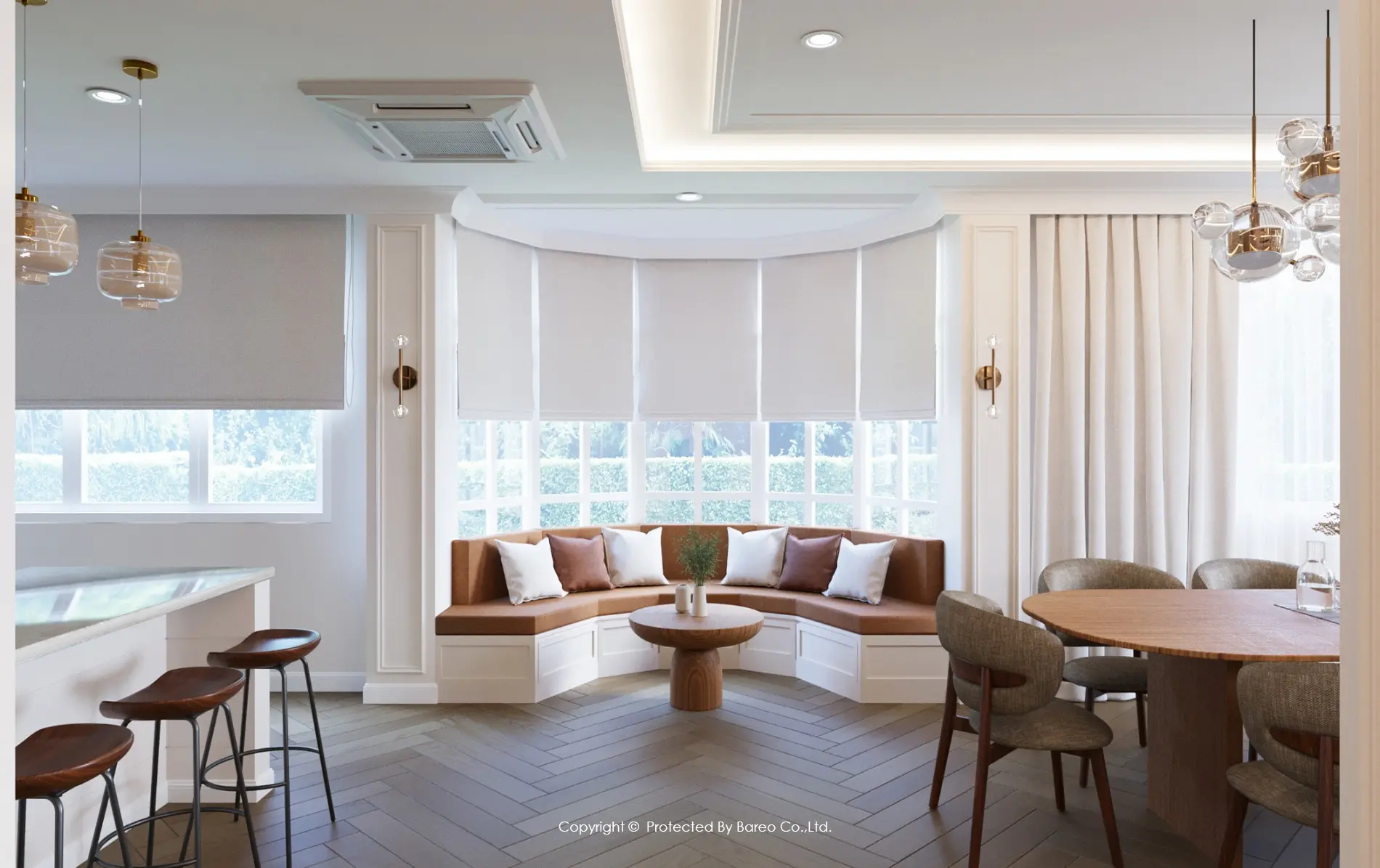
Thailand’s luxury residences, particularly in cities such as Bangkok, often involve high-end condominium living where space must be carefully optimized. Built-in furniture allows designers to fully utilize every dimension of the interior. Floor-to-ceiling wardrobes maximize storage, concealed cabinets maintain clean visual lines, and integrated workspaces transform small areas into highly functional environments.
Loose furniture, by comparison, frequently leaves unused gaps around walls and corners. In compact urban homes, these lost spaces reduce efficiency and disrupt the visual harmony of the room. For this reason, built-in systems are often the preferred solution when designing penthouses, condominiums, or urban residences in Thailand.
A Clean and Calm Interior Aesthetic
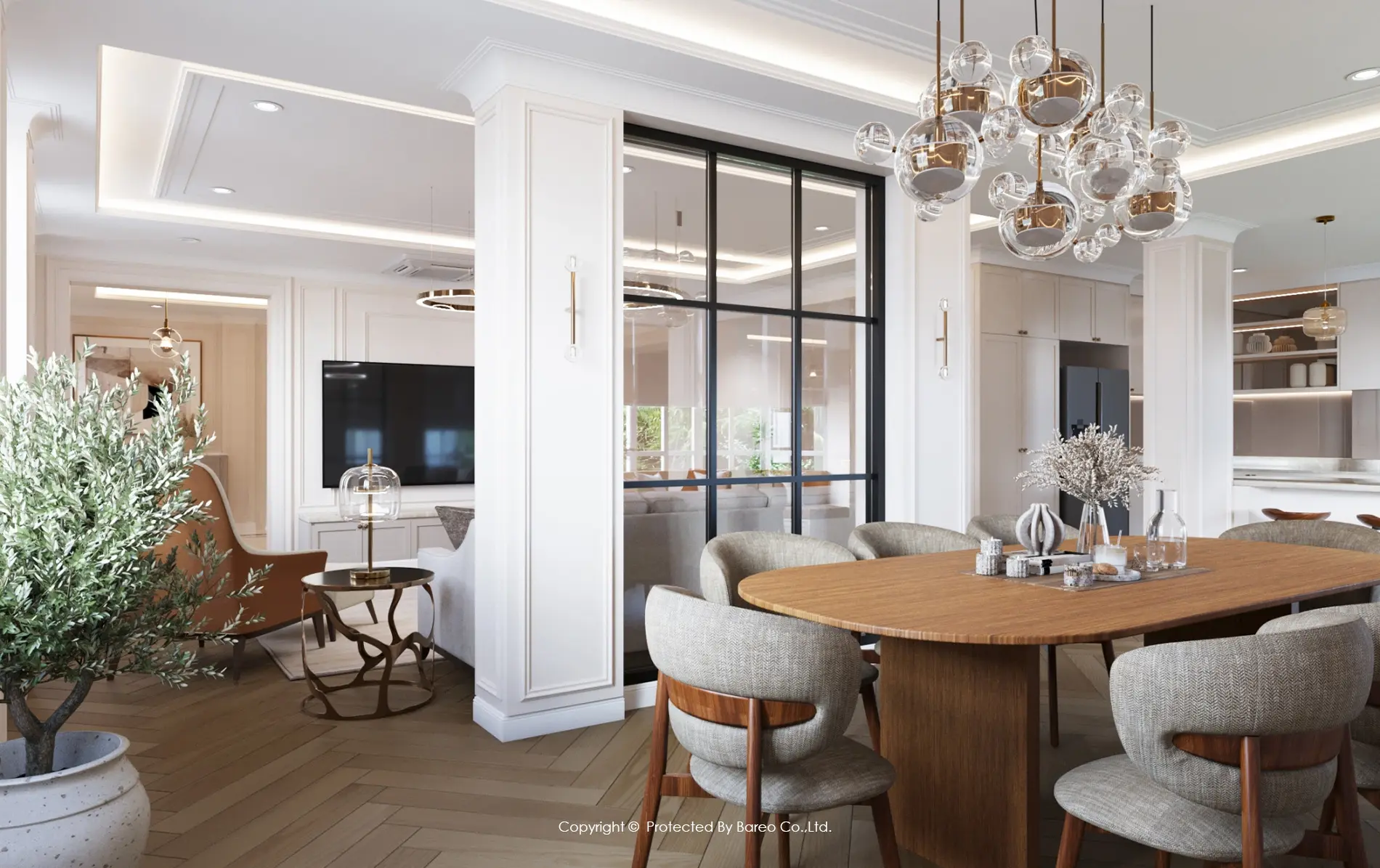
Luxury interiors in Thailand often emphasize visual calmness and spatial clarity. Built-in furniture helps achieve this effect by minimizing clutter and maintaining a consistent design language throughout the home.
Cabinetry panels can conceal storage, integrate lighting, and hide mechanical systems. Shelving can be proportioned precisely to align with architectural elements such as columns or windows.
This level of control allows the interior to feel serene and carefully curated. Loose furniture, while beautiful on its own, may introduce visual variety that disrupts the overall composition of the space. In luxury homes, the goal is often harmony rather than accumulation.
Craftsmanship and Material Integration
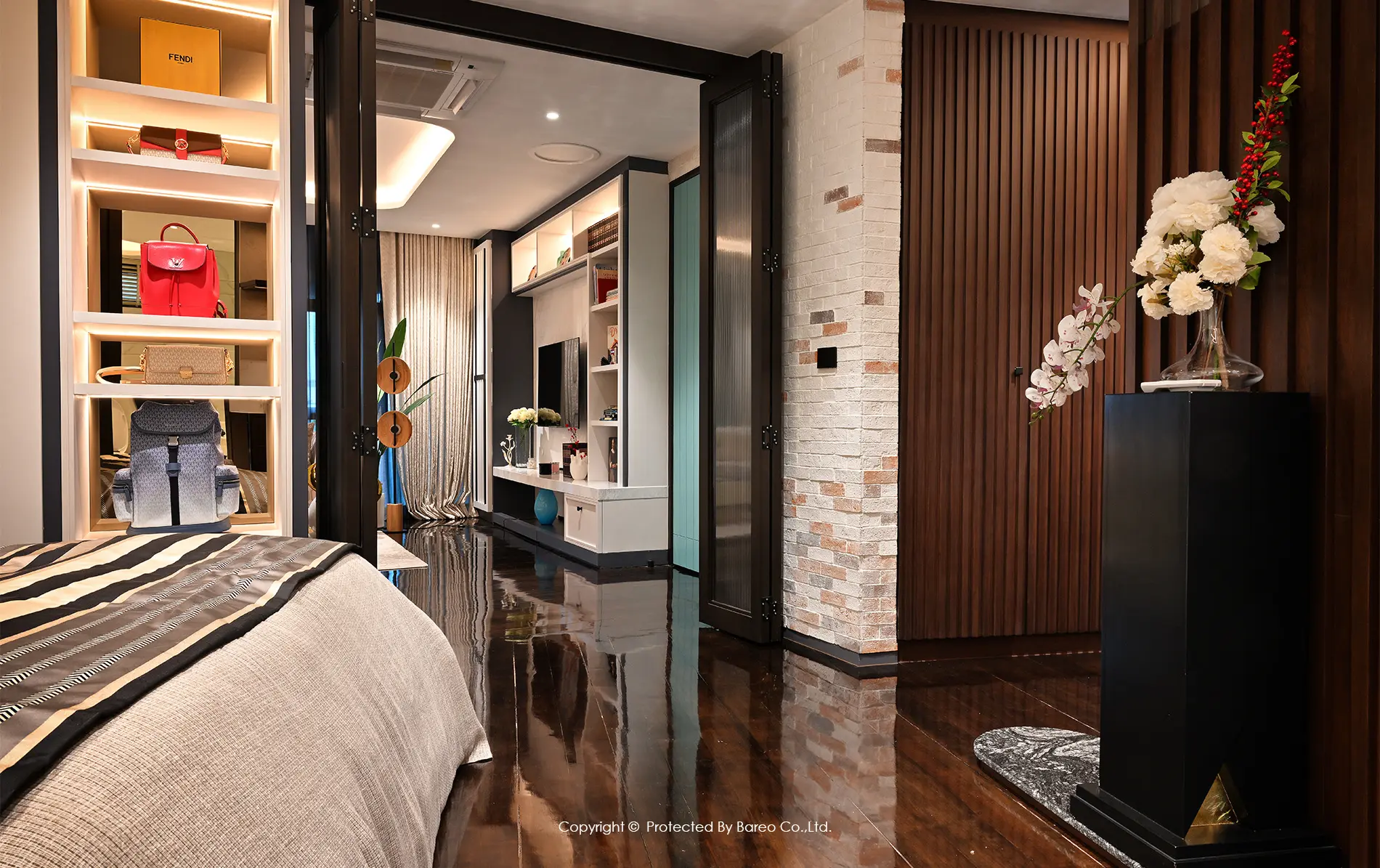
Thailand has a long tradition of skilled craftsmanship in woodwork and interior fabrication. Many high-end interior design studios work closely with specialized workshops capable of producing custom cabinetry, paneling, and custom-made furniture.
This craftsmanship allows built-in furniture to incorporate premium materials such as natural veneer, stone surfaces, brushed metals, and soft lighting details. When these materials are integrated consistently throughout the interior, the entire residence feels cohesive and refined. Rather than being a separate category of furniture, built-in elements become part of the home’s design identity.
Ultimately, the preference for built-in furniture in Thailand reflects a broader philosophy of interior design. A luxury home is not simply furnished; it is composed as a unified environment where architecture, furniture, lighting, and materials work together.
For international homeowners purchasing property in Thailand, this approach often leads to a more polished and effortless living experience. Storage is thoughtfully planned, circulation flows naturally, and every element of the interior supports the overall design vision.
At Bareo, interior design is approached with this philosophy in mind. Our team develops fully integrated interior environments where built-in furniture, spatial planning, and material selection are designed as a cohesive whole.
Because true luxury is not defined only by beautiful objects. It is defined by the harmony and longevity of the space itself. We often express this belief through a simple idea,
“Not Only Luxury, It’s the Heritage”
Explore Our Work : Discover our portfolio of luxury residential interior design Bangkok and interior design and decoration projects across Thailand.
Contact Bareo today to begin designing a living space that is refined, comfortable, and healthy in every breath.
Booking a private consultation with us :

Call :
(+66) 61-846-6633

E-mail :
[email protected]

LINE Official :
@bareo

Facebook Page :
Design by Bareo

WeChat :
bareoth
FAQ : Luxury Interior Design in Thailand
Q1: Why is built-in furniture more common in luxury homes in Thailand?
Built-in furniture is widely preferred in Thailand due to its ability to maximize space efficiency, especially in condominiums and penthouses. In luxury residences, it also ensures a seamless aesthetic, precise craftsmanship, and long-term durability. Unlike loose furniture, built-ins are tailored to the architecture, creating a more refined and cohesive living environment.
Q2: How long does a luxury interior design project take in Thailand?
The timeline varies depending on project size and complexity:
- Condominium / Penthouse: 3–6 months
- Luxury Houses / Villas: 6–12 months
This includes design development, production, and installation. High-end projects often require custom fabrication, which adds to the timeline but significantly enhances quality.
Q3: Can foreign homeowners manage an interior design project remotely?
Yes. Many luxury interior design firms in Thailand offer full turnkey services, including remote project management. This typically involves:
- Online design presentations
- Progress updates with photos/videos
- Procurement and installation coordination
This is especially beneficial for expatriates or overseas property owners.
Q4: What should I prepare before starting a luxury interior project?
To ensure a smooth process, clients should prepare:
- A clear budget range
- Lifestyle requirements (e.g., entertaining, family living, work-from-home)
- Reference images or preferred styles
- Property details (floor plans, developer restrictions)
Q5: Is wellness-focused interior design popular in Thailand?
Yes, increasingly so. Especially at BAREO we concern and focused on client’s wellness and health together with aesthetic. Many luxury homes now incorporate:
- Natural ventilation and lighting
- Low-toxicity materials e.g. E0 Wood Board, Water-based paint
- Acoustic comfort
- Spa-like bathrooms and relaxation areas
This aligns with global trends in wellness living and sustainable design.
Written by Than.T (Thanchanok Thammakulangkul)
Bachelor of Architecture, First-Class Honors, King Mongkut’s University of Technology Thonburi (2019), Master of Business Design, Domus Academy, Milan (2020), Grade 106/110 and One-year program in “Chinese for Foreigners,” Donghua University, Shanghai, awarded “Excellent Student” for both semesters (2024–2025)
Passionate about design and writing since high school, Than.T has authored articles on architecture, art, and interior design for over 15 years.
Writing Advisor:
Mr. Worawut Thammakulangkul
Interior Designer and Founder of Bareo Company Limited
With over 35 years of experience, Mr. Worawut stands as one of Thailand’s foremost figures in luxury interior design. His visionary approach has shaped some of the nation’s most distinguished residences—spaces that embody both timeless beauty and the unique lifestyle of each homeowner. As the creative leader behind Bareo’s award-winning projects, he has guided the design team to achieve numerous international accolades. His expertise, artistry, and unwavering dedication continue to elevate Thailand’s interior design industry onto the global stage.

Share This Post
Tag:
CONTENT RELATED