- Bareo
- April 2026
in thailand
For many foreigners, Thailand begins as a destination. Over time, it becomes something more personal. A place of familiarity, rhythm, and emotional grounding. Whether through long stays, business, or marriage, the idea of a second home naturally follows. Not as an investment alone, but as a space that reflects a life lived across cultures.
Designing a second home in Thailand is therefore not simply about style. It is about understanding how people actually live here, and how that way of living differs from what one might be used to elsewhere.
Living Between Cultures
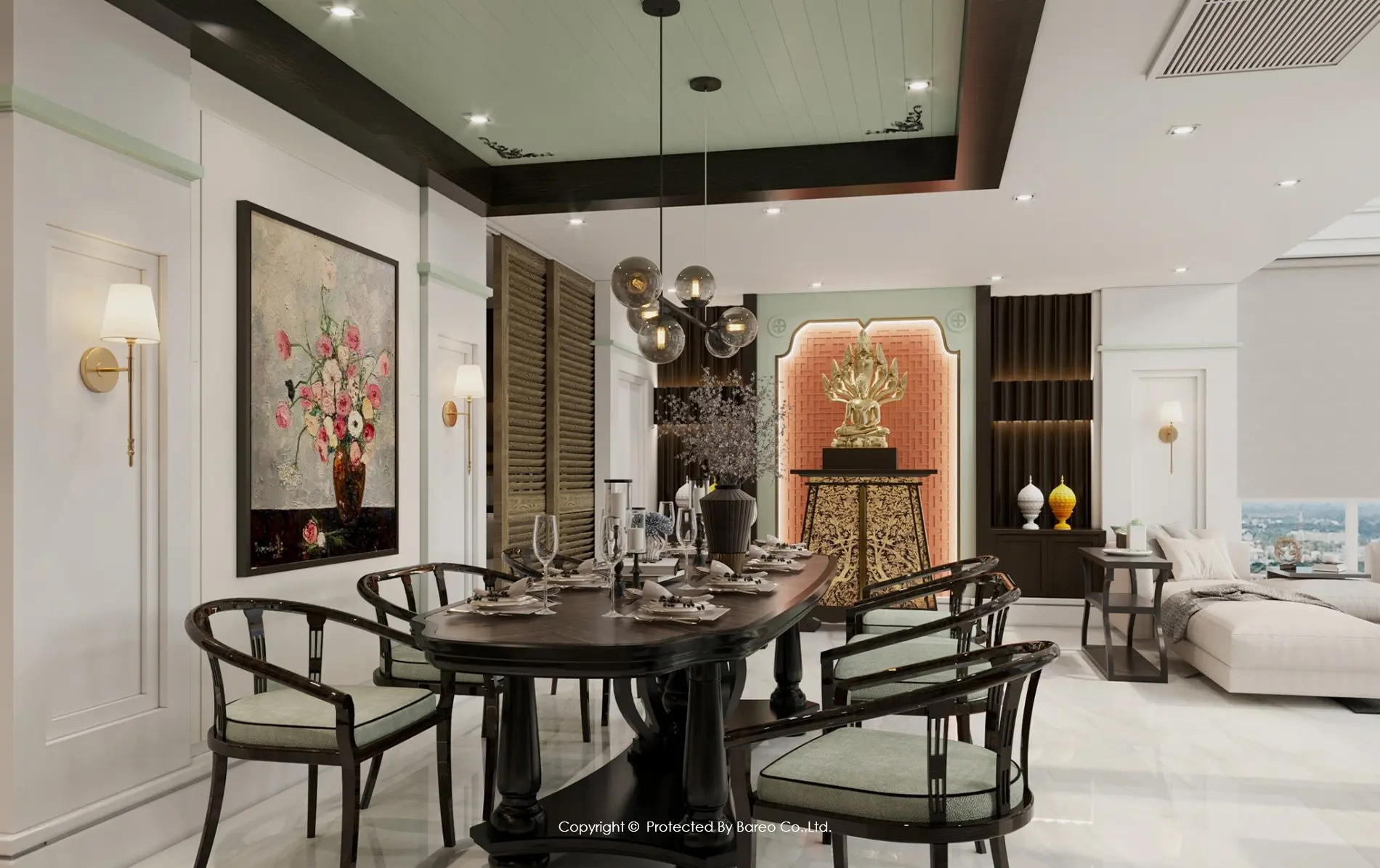
A second home often carries two identities. One rooted in the owner’s origin, and another shaped by the environment of Thailand. The most successful interiors do not force one over the other. Instead, they create a quiet dialogue between both.
For foreign homeowners married to Thai partners, this balance becomes even more meaningful. The home may need to accommodate different habits, daily routines, or even subtle cultural expectations. From how space is shared with family, to how privacy is perceived, these nuances shape the way rooms are planned and experienced.
Rather than designing a home that feels imported, the goal is to create one that feels naturally placed. A home that belongs.
Understanding the Thai Environment
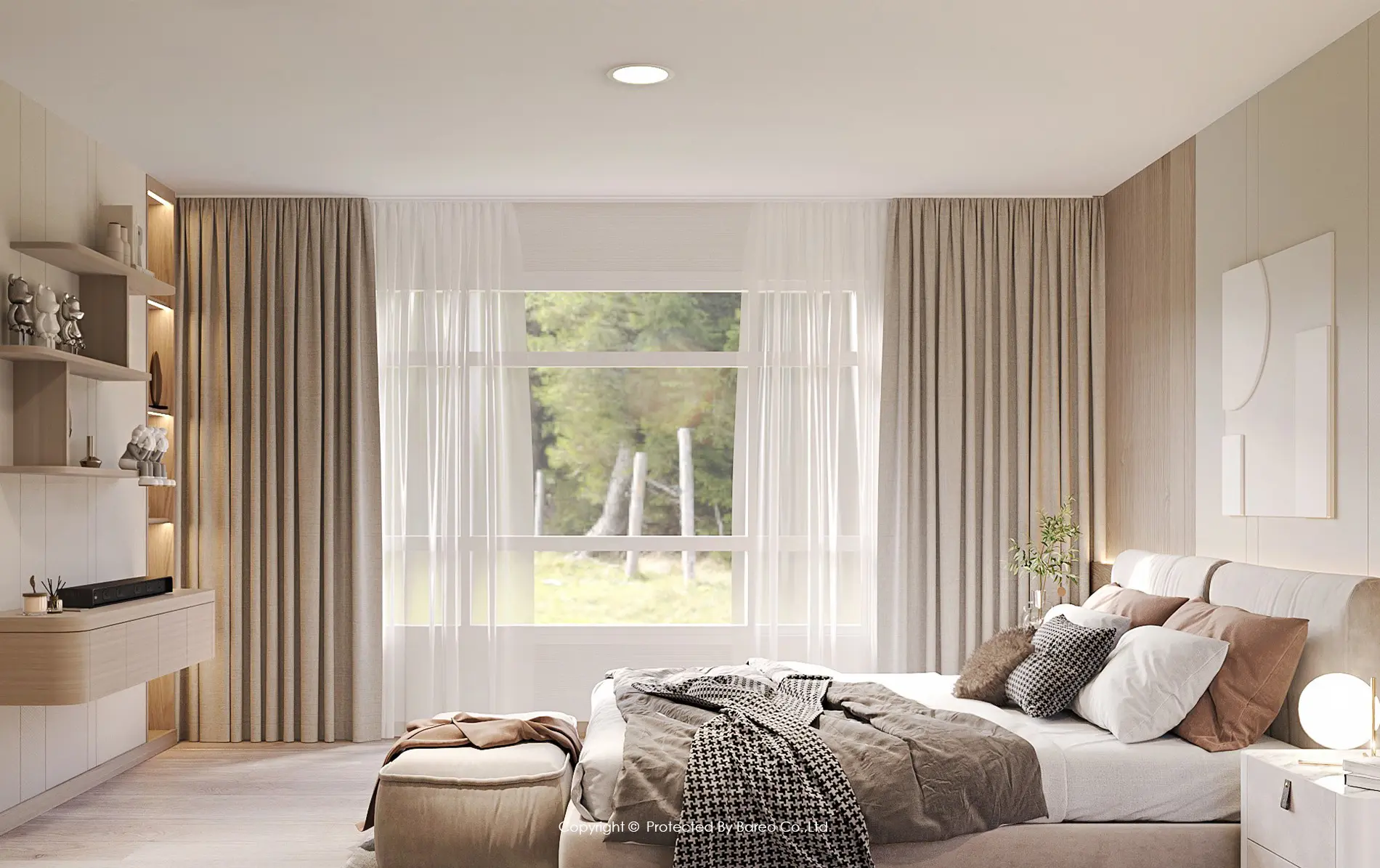
Thailand’s climate is not a background condition. It is an active design factor.
Heat, humidity, and strong sunlight influence everything from material selection to spatial layout. Natural ventilation becomes essential. Shading is not decorative, but functional. Air conditioning systems must be thoughtfully integrated, not simply added.
Materials also require careful consideration. Wood must be properly treated. Fabrics should resist moisture. Finishes should support long-term durability without compromising on comfort. These are not visible decisions at first glance, but they define how well a home performs over time.
Space as a Daily Experience
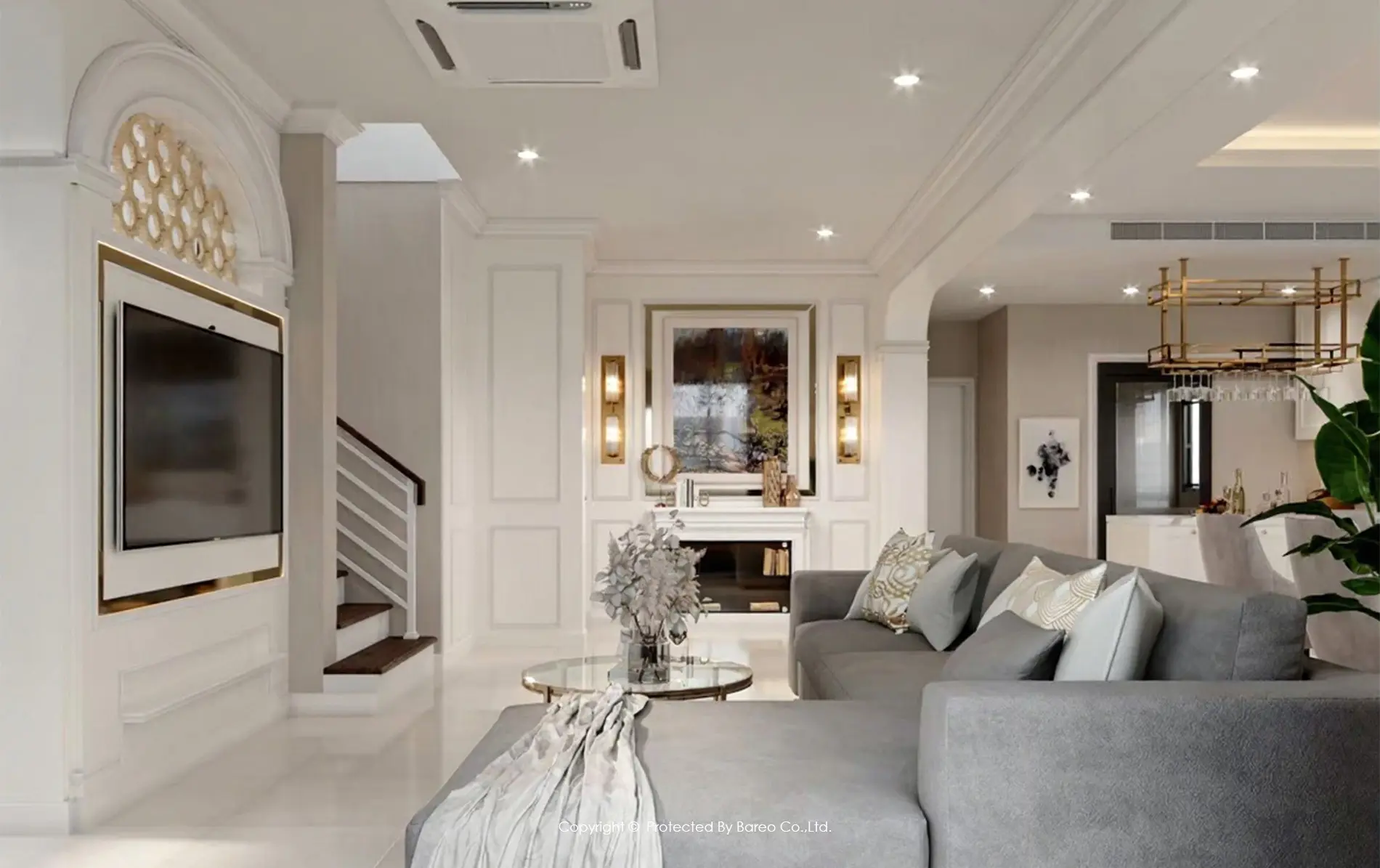
In many Western homes, space is often defined by clear boundaries. In Thailand, space tends to feel more fluid. Living areas may connect more openly. Indoor and outdoor zones often overlap. Transitional spaces such as terraces, balconies, or semi-open lounges become part of everyday life rather than occasional use.
Designing a second home here means embracing this sense of openness, while still maintaining the level of privacy and comfort expected by the homeowner. It is less about size, and more about how space flows.
Craftsmanship and Built-In Living
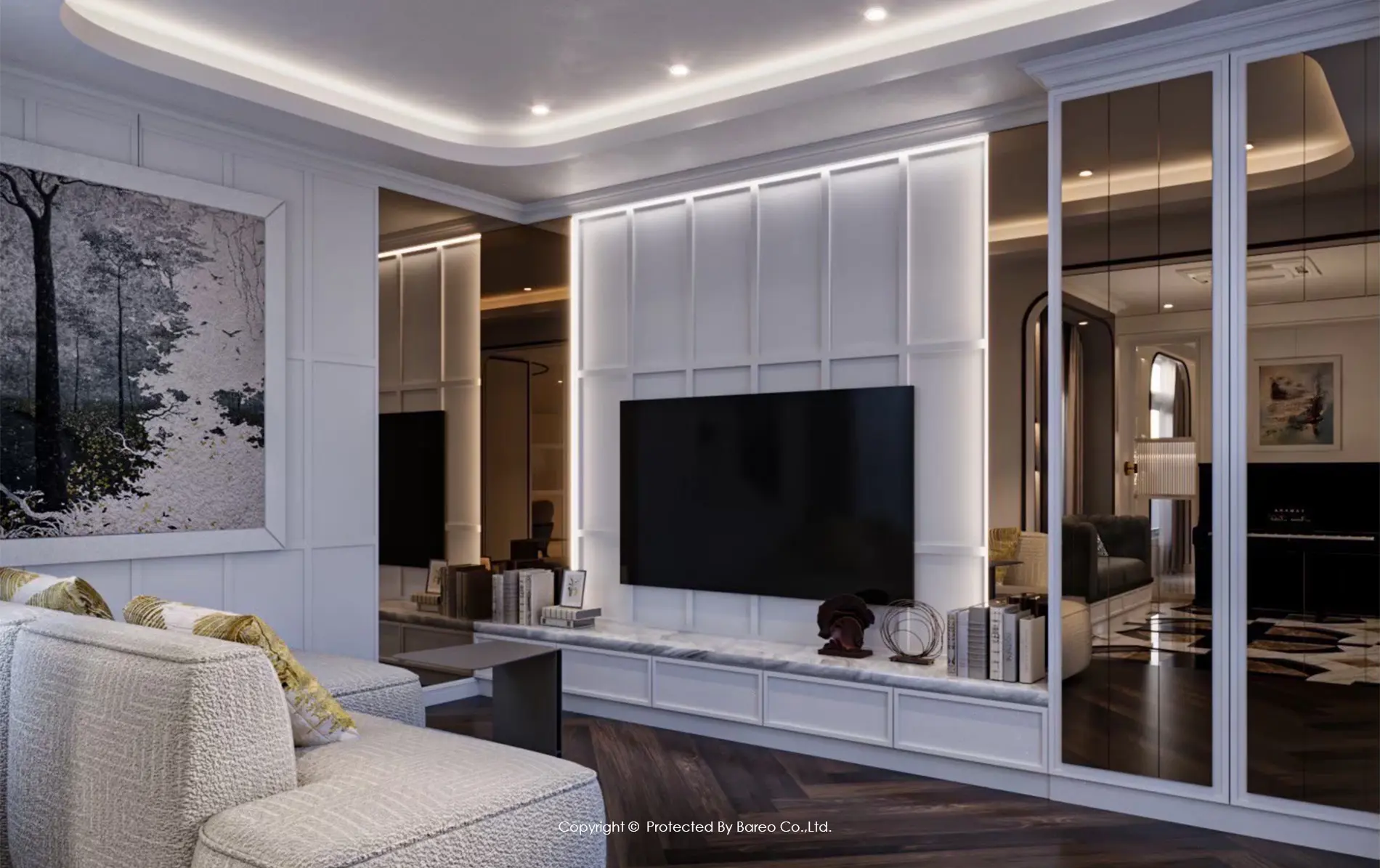
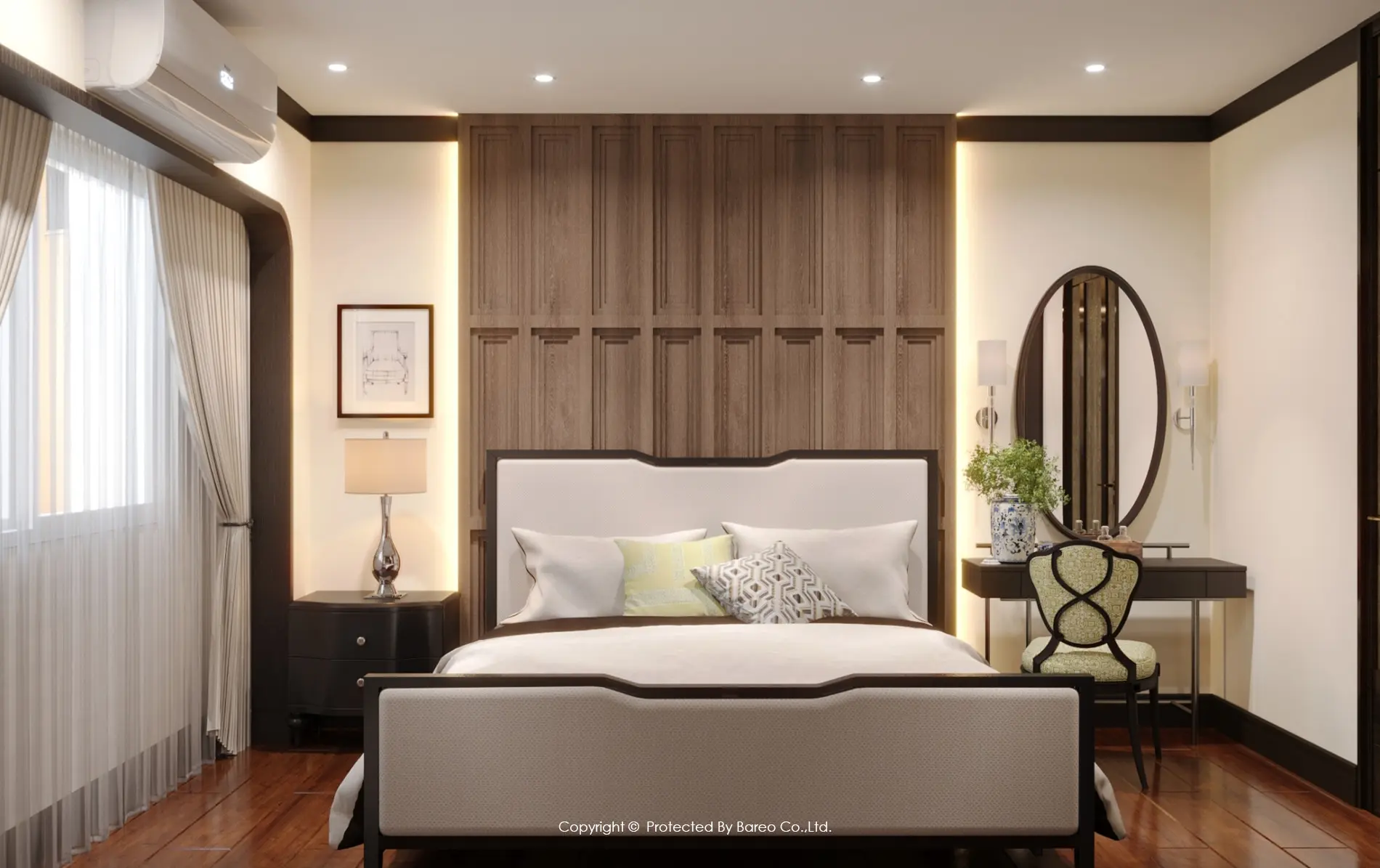
One of the defining characteristics of residential design in Thailand is the emphasis on built-in elements. Custom cabinetry, integrated wardrobes, and tailored furniture are not simply aesthetic choices. They are practical solutions that maximize space, reduce clutter, and create a cohesive environment.
For a second home, this approach also ensures consistency. The home remains complete and ready for use, even during periods when the owner is away. This level of detail requires a design and production process that is carefully coordinated from the beginning.
A Long-Term Perspective
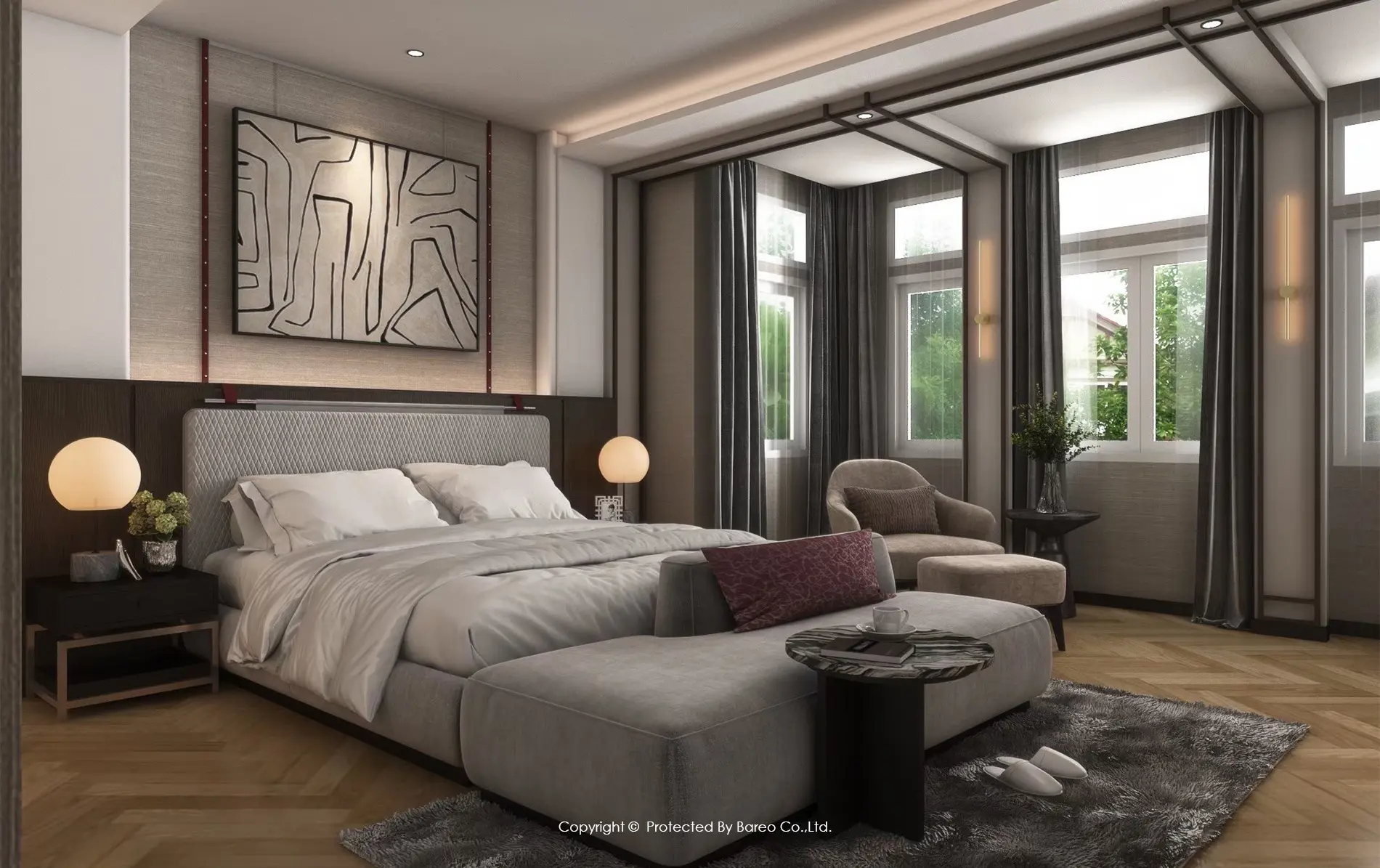
A second home is rarely designed for a single moment. It evolves with time. Some homeowners begin with seasonal stays and gradually transition into longer periods of living. Others design with future retirement in mind. In both cases, flexibility becomes important. Spaces that can adapt, materials that age well, and layouts that remain comfortable over years are all part of a thoughtful design strategy.
The goal is not just to create something beautiful today, but something that continues to feel right in the future.
In Thailand, luxury is often expressed with subtlety. It is found in comfort, in the quality of materials, and in the ease of daily living. Not in excess, but in refinement. A well-designed second home reflects this mindset. It feels calm, intentional, and deeply personal.
For foreign homeowners, especially those building a life here with a Thai partner, this kind of design carries even greater meaning. It becomes a shared space that bridges backgrounds, supports daily life, and offers a sense of belonging.
A second home, when designed well, is no longer secondary. It becomes an essential part of where life unfolds.
At Bareo, the design of a second home is approached with a deep understanding of how people live between places, cultures, and moments in time. Each project is developed as a fully integrated environment, where spatial planning, built-in craftsmanship, and material selection are considered together from the very beginning.
Because a second home is not simply about arriving. It is about returning, again and again, to a space that feels effortlessly complete. True luxury, in this context, is not defined by how it looks on the first day, but by how naturally it supports life over the years. This belief is reflected in every detail we create, guided by a simple idea
“Not Only Luxury, It’s the Heritage”
Explore Our Work : Discover our portfolio of luxury residential interior design Bangkok and interior design and decoration projects across Thailand.
Contact Bareo today to begin designing a living space that is refined, comfortable, and healthy in every breath.
Booking a private consultation with us :

Call :
(+66) 61-846-6633

E-mail :
[email protected]

LINE Official :
@bareo

Facebook Page :
Design by Bareo

WeChat :
bareoth
FAQ : Designing a Second Home in Thailand
What should I consider first when designing a second home in Thailand?
The starting point is not style, but lifestyle. How often you stay, how long each visit lasts, the location of this second home and whether the home will be used seasonally or long-term all influence the design direction. Climate, maintenance, and ease of use should be considered early, especially if the home will be left unoccupied for periods of time.
Can foreigners own property in Thailand for a second home?
Foreigners can legally own condominium units under certain conditions, but cannot directly own land. For houses, ownership is typically structured through long-term leases or other legal arrangements. Interior design planning should align with the type of property ownership, as it may affect long-term investment decisions.
How do I maintain my home when I am not in Thailand?
Design can support maintenance by simplifying systems and reducing complexity. Choosing durable materials, integrated storage, and easy-to-clean surfaces helps minimize upkeep. Many homeowners also arrange for periodic maintenance services, which can be considered during the design phase.
Do I need to be in Thailand during the design and construction process?
Not necessarily. With a well-organized design team, much of the process can be managed remotely. Clear communication, detailed drawings, and visualizations allow homeowners to make decisions from abroad, while on-site teams handle execution.
How long does an interior design project typically take in Thailand?
The timeline depends on the scale and complexity of the project. For condominiums, the process can be relatively efficient once the design is finalized. For larger homes, additional time is required for detailed drawings, production, and installation. A structured, turnkey process helps ensure consistency and quality.
Please contact us at +66-61-846-6633, Line : @bareo or email : [email protected] for more precise timeline for your scope of work
Written by Than.T (Thanchanok Thammakulangkul)
Bachelor of Architecture, First-Class Honors, King Mongkut’s University of Technology Thonburi (2019), Master of Business Design, Domus Academy, Milan (2020), Grade 106/110 and One-year program in “Chinese for Foreigners,” Donghua University, Shanghai, awarded “Excellent Student” for both semesters (2024–2025)
Passionate about design and writing since high school, Than.T has authored articles on architecture, art, and interior design for over 15 years.
Writing Advisor:
Mr. Worawut Thammakulangkul
Interior Designer and Founder of Bareo Company Limited
With over 35 years of experience, Mr. Worawut stands as one of Thailand’s foremost figures in luxury interior design. His visionary approach has shaped some of the nation’s most distinguished residences—spaces that embody both timeless beauty and the unique lifestyle of each homeowner. As the creative leader behind Bareo’s award-winning projects, he has guided the design team to achieve numerous international accolades. His expertise, artistry, and unwavering dedication continue to elevate Thailand’s interior design industry onto the global stage.

Share This Post
Tag:
CONTENT RELATED