- Bareo
- April 2026
Shapes Emotional Experience in a Home
In interior design, materials are often discussed in terms of durability, cost, or aesthetics. Yet for those who truly understand the discipline, material selection operates on a far deeper level. It shapes how a space feels, how it is perceived over time, and how it responds to the rhythms of everyday life.
A well-designed home is not only seen. It is experienced—through touch, light, temperature, and even sound. Materials are the medium through which these sensory experiences are defined.
Material as an Emotional Language
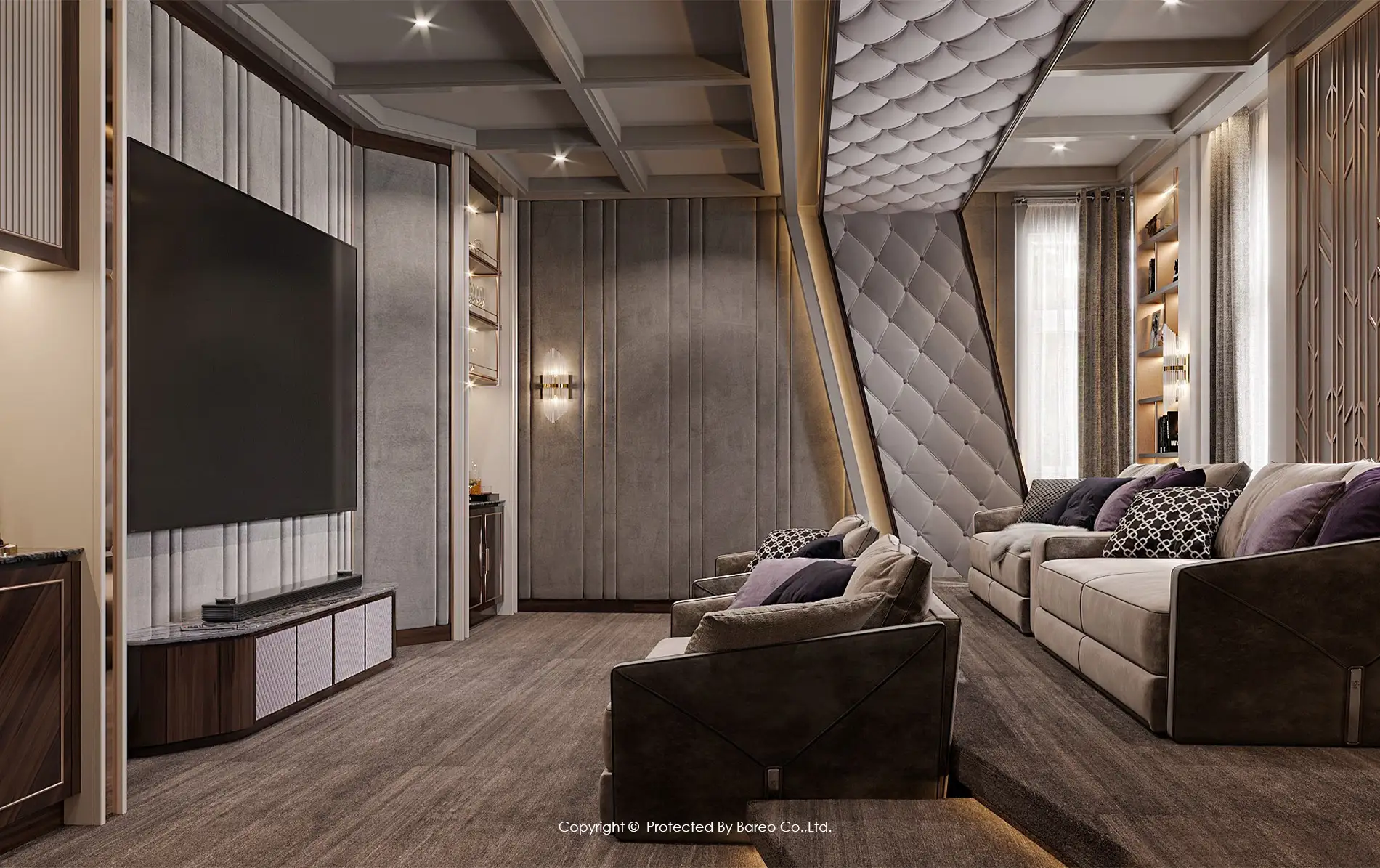
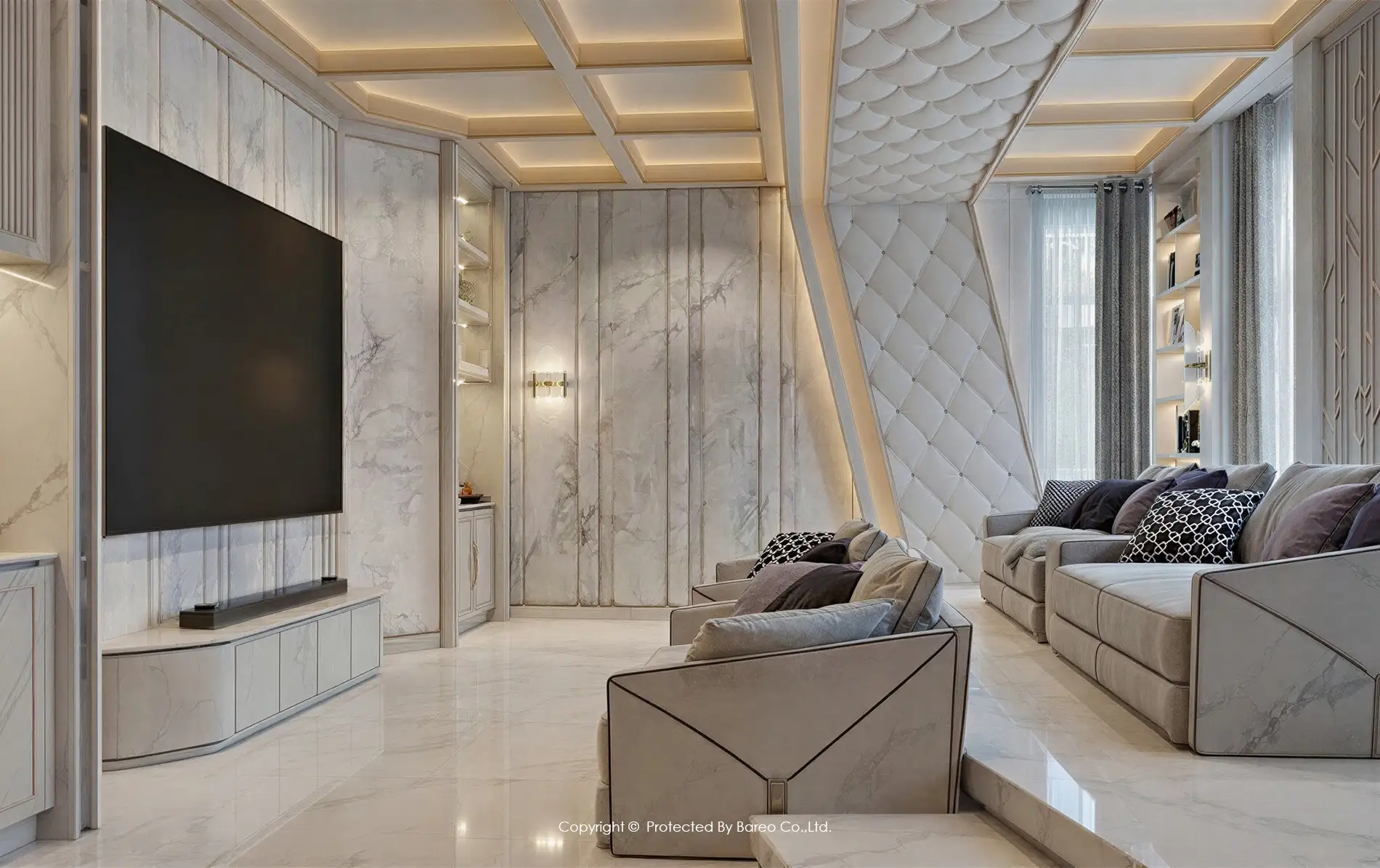
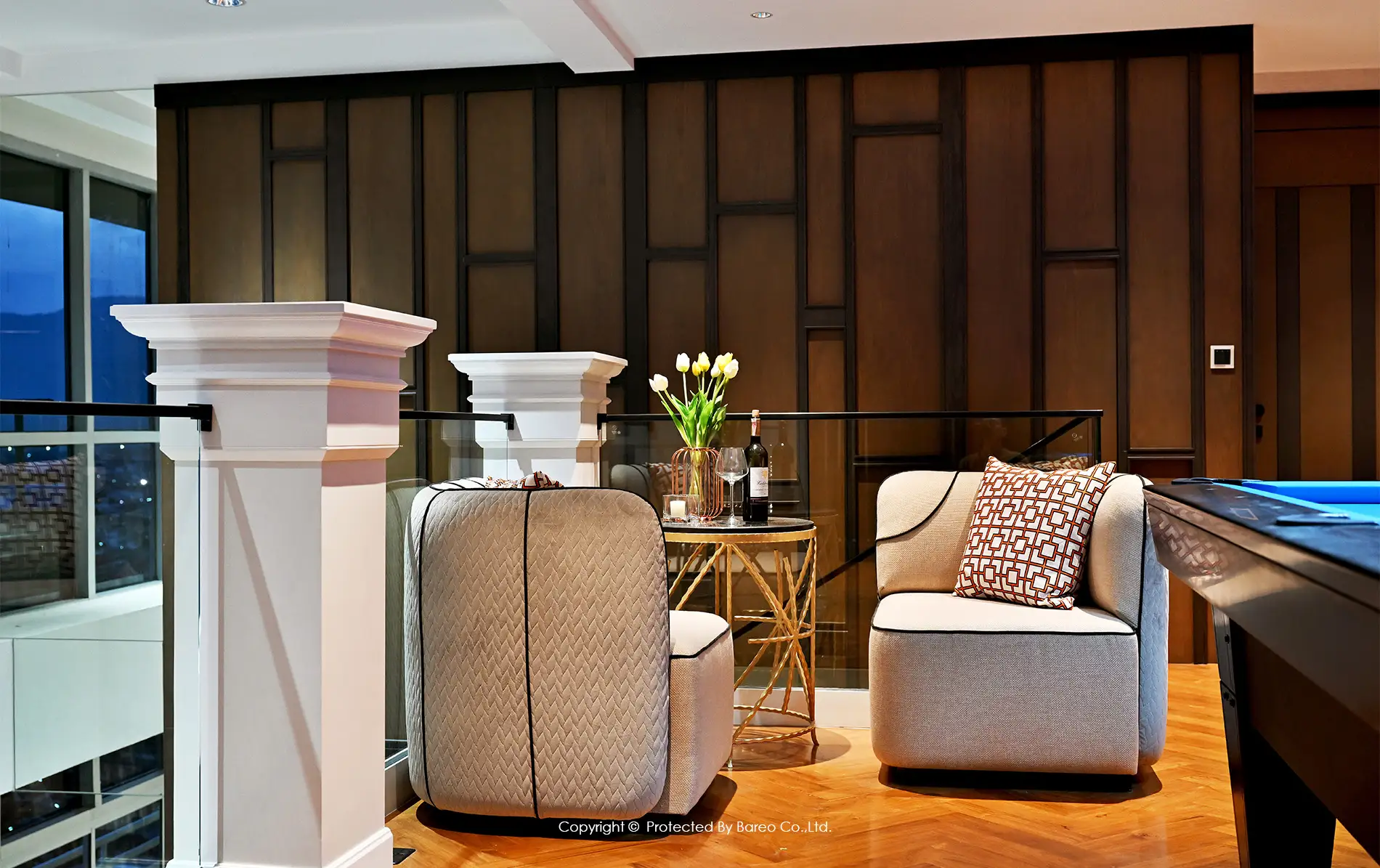
Every material carries an inherent emotional quality. Natural wood introduces warmth and a sense of grounding. Stone conveys permanence and quiet strength. Soft textiles invite comfort and intimacy. Even metals, depending on their finish, can shift a space between cool precision and understated luxury.
When these elements are thoughtfully composed, they form an emotional language within the home. This language is subtle, but it is constantly present. It influences whether a space feels calm or stimulating, formal or relaxed, intimate or expansive.
The key is not in selecting expensive materials, but in selecting the right materials—those that align with the intended atmosphere of each space.
Light, Texture, and Perception
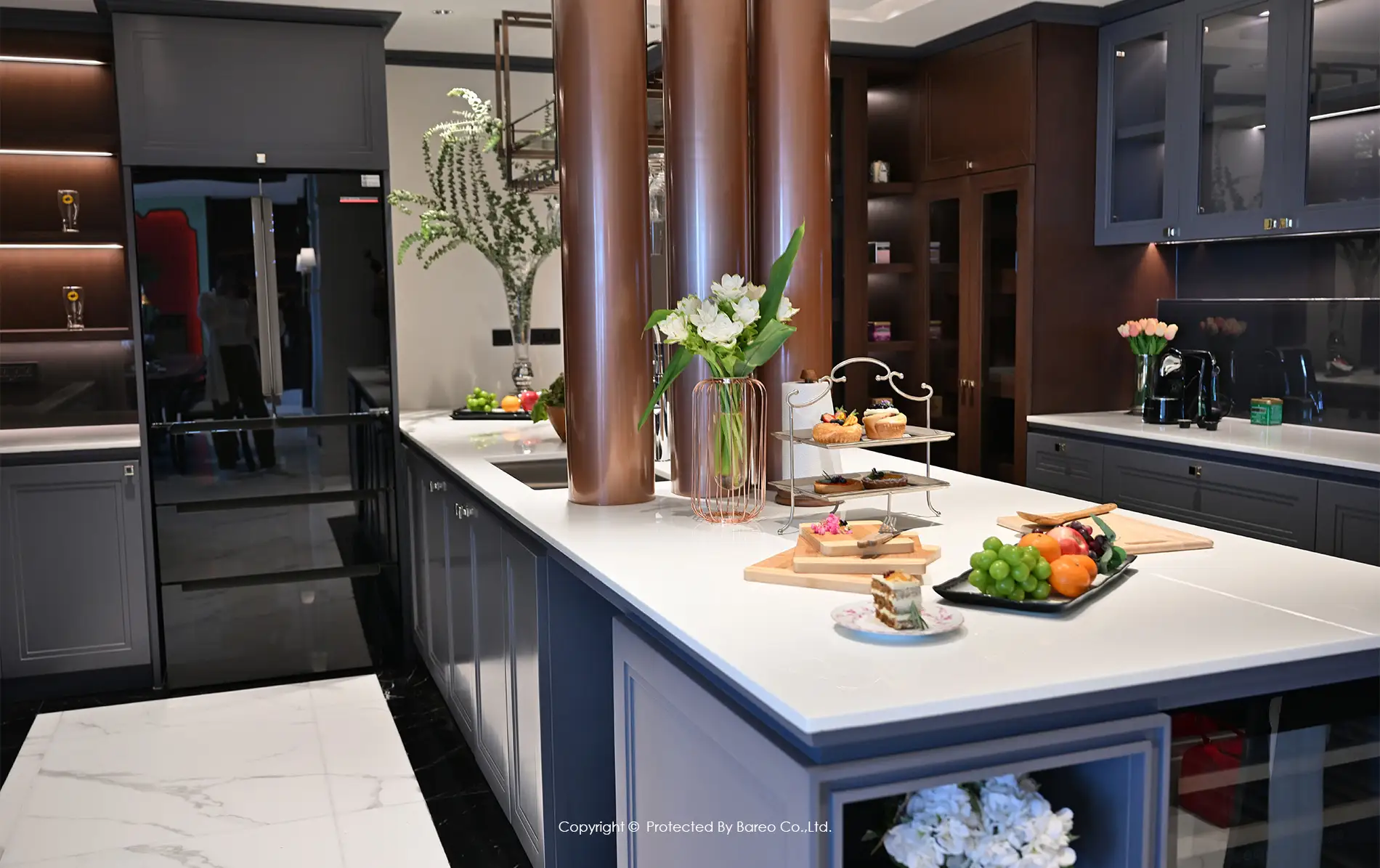
Material selection cannot be separated from light. The same surface can evoke entirely different emotions depending on how it interacts with natural and artificial lighting.
Matte finishes tend to diffuse light, creating a soft and calming ambiance. Polished surfaces reflect light, adding brightness and a sense of openness. Textured materials, such as brushed wood grain or honed stone, create depth through shadow and variation, making a space feel more tactile and layered.
This interplay becomes especially important in regions like Thailand, where natural light is abundant and often intense. Materials must be selected not only for their appearance, but for how they behave under strong daylight—how they age, how they reflect heat, and how they maintain comfort throughout the day.
Tactility and Human Connection
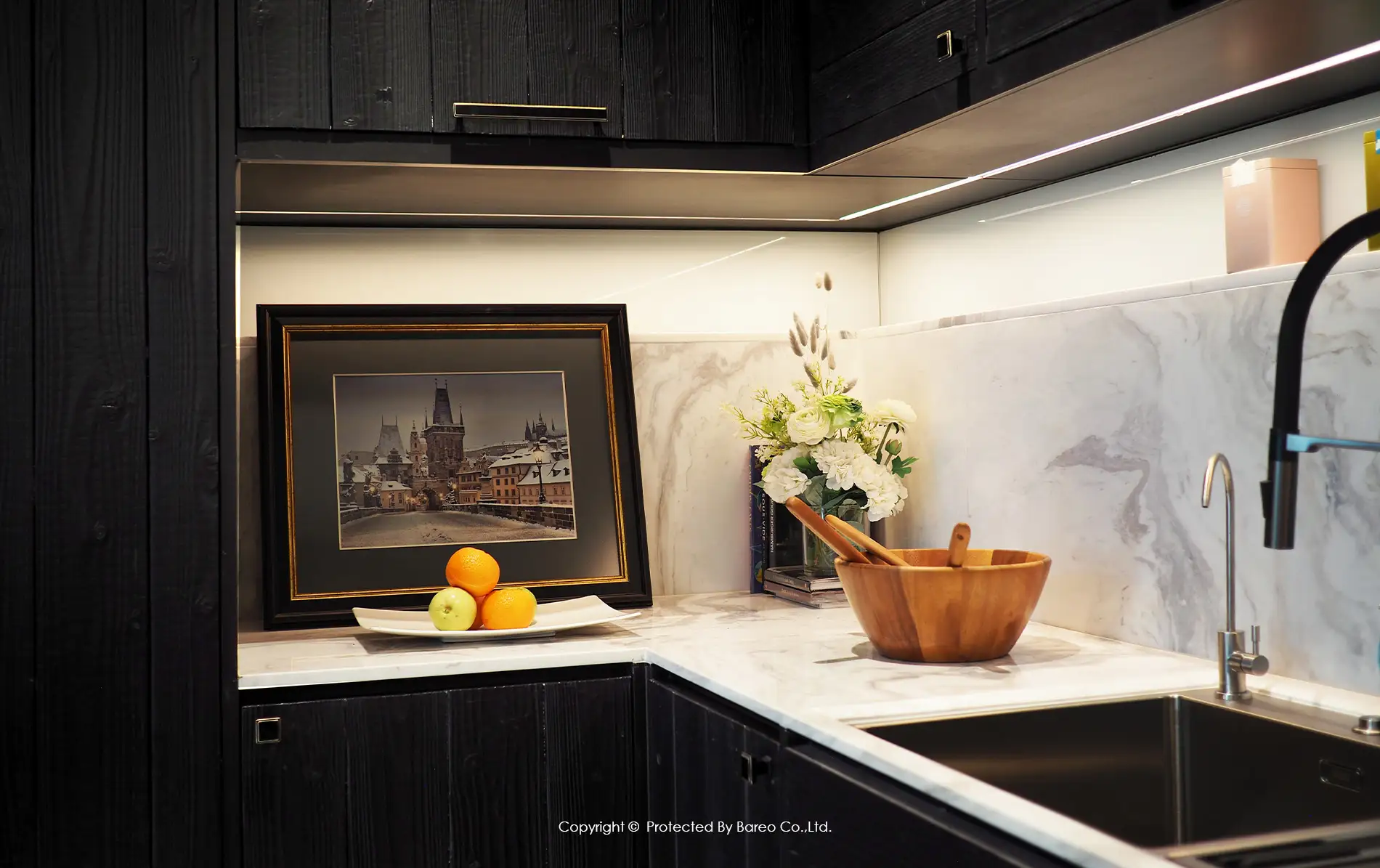
Beyond visual perception, materials influence how people physically connect with a space. The sensation of running a hand across a smooth marble countertop differs entirely from touching raw timber or woven fabric.
These tactile experiences, while often overlooked, play a significant role in emotional comfort. A home designed with attention to touch feels more personal and more livable. It invites interaction rather than simply observation.
In high-end residential design, this is where true refinement emerges. Details such as the edge profile of a table, the finish of a cabinet handle, or the softness of upholstery contribute quietly but meaningfully to the overall experience.
Consistency and Emotional Cohesion
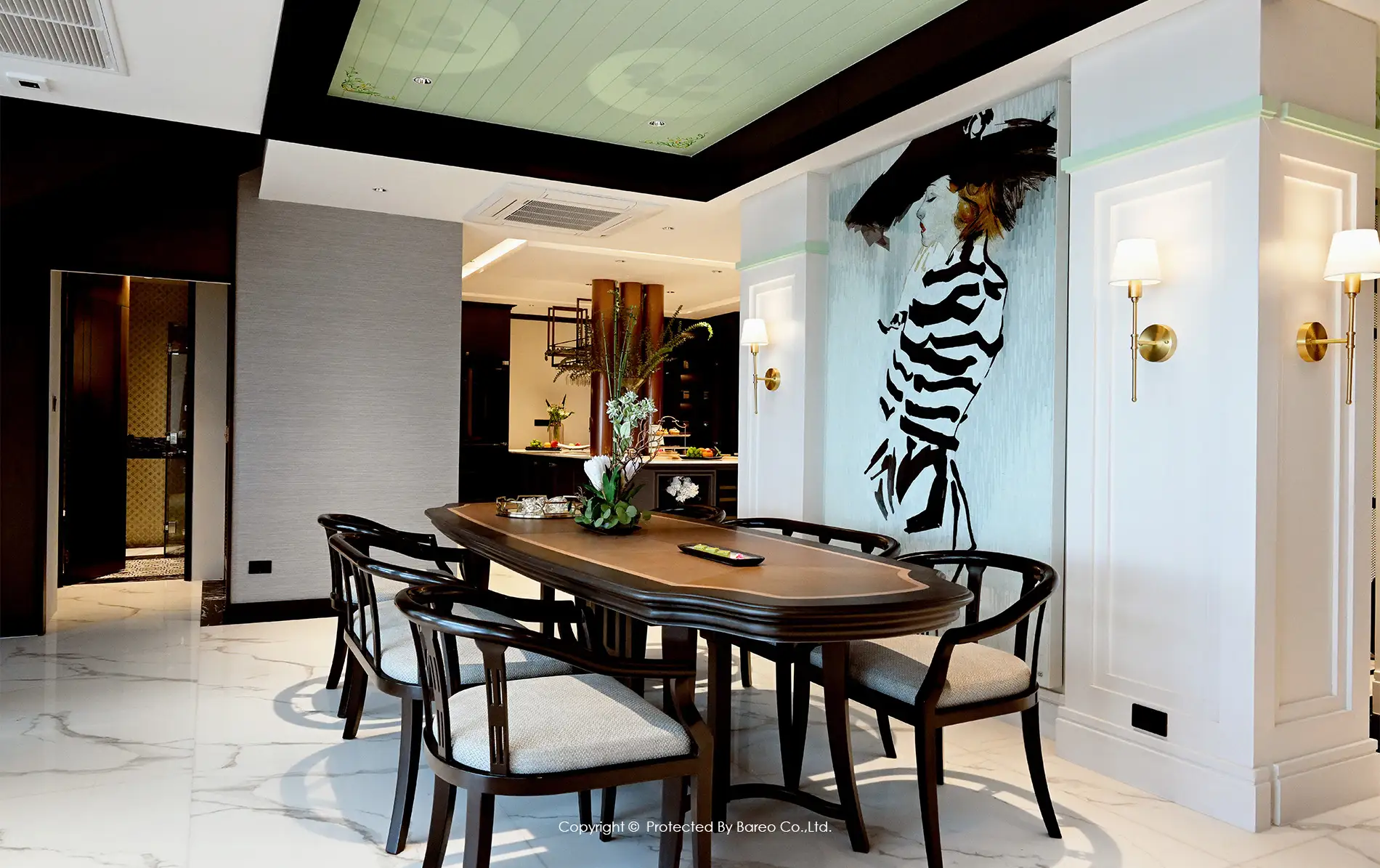
A common issue in many interior projects is the lack of material consistency. When materials are selected in isolation rather than as part of a cohesive system, the emotional experience becomes fragmented.
A well-resolved home maintains a sense of continuity. Transitions between spaces feel natural. Materials complement rather than compete. There is a clear narrative that connects each room to the next.
Achieving this requires more than visual coordination. It requires a deep understanding of proportion, tone, and how materials behave in different contexts. This is why detailed construction drawings and material specifications are essential, they ensure that the original design intent is carried through into the built reality.
Material Selection in the Context of Living
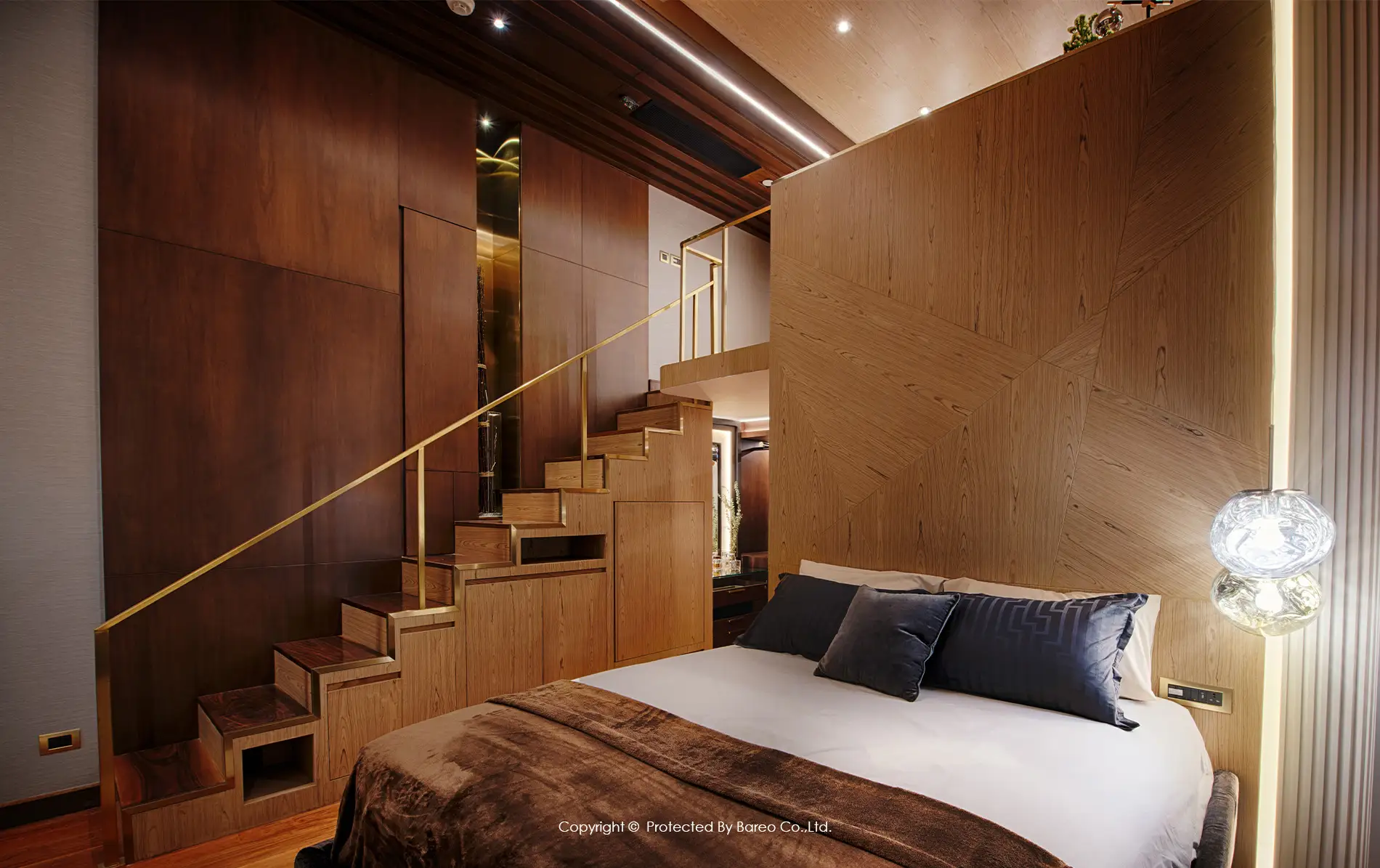
A home is not a static environment. It evolves over time, shaped by daily use, environmental conditions, and the lives of its occupants. Material selection must therefore consider not only the initial impression, but also long-term performance.
In tropical climates, this includes resistance to humidity, stability under temperature fluctuations, and ease of maintenance. Materials that age gracefully contribute to a sense of longevity and authenticity. They allow the home to develop character rather than deteriorate.
When materials are chosen with both emotional and practical intelligence, the result is a space that remains relevant and comfortable for years to come.
True luxury in interior design is rarely loud. It is felt in the subtle harmony of materials, in the way surfaces respond to light, and in the comfort they provide without demanding attention.
Material selection, when approached with intention, becomes one of the most powerful tools in shaping this experience. It transforms a house into a home that not only looks refined, but feels deeply considered.
At Bareo, material selection is never treated as a final step, but as an integral part of the design process. Each material is chosen in relation to space, function, and the people who will live within it, ensuring that every project delivers not just visual beauty, but a lasting emotional connection.
Because in the end, a well-designed home is not defined by what it contains, but by how it makes you feel.
Bareo, Not Only Luxury, It’s the Heritage
Explore Our Work : Discover our portfolio of luxury residential interior design Bangkok and interior design and decoration projects across Thailand.
Contact Bareo today to begin designing a living space that is refined, comfortable, and healthy in every breath.
Booking a private consultation with us :

Call / WhatsApp :
(+66) 61-846-6633

E-mail :
[email protected]

LINE Official :
@bareo

Facebook Page :
Design by Bareo

WeChat :
bareoth
FAQ : Materials Selection
What is material selection in interior design?
Material selection in interior design refers to the process of choosing finishes, surfaces, and textures such as wood, stone, metal, fabric, and paint—that define how a space looks, feels, and performs over time. It directly impacts both aesthetics and emotional experience.
Why does material selection affect how a home feels?
Materials influence light, texture, temperature, and acoustics. For example, natural wood creates warmth and comfort, while stone adds a sense of stability and calm. These sensory inputs shape how people emotionally respond to a space.
What role does texture play in emotional experience?
Texture adds a tactile dimension to design. Smooth surfaces feel clean and refined, while rough or natural textures feel organic and comforting. A balanced mix of textures makes a space feel layered and emotionally engaging.
Written by Than.T (Thanchanok Thammakulangkul)
Bachelor of Architecture, First-Class Honors, King Mongkut’s University of Technology Thonburi (2019), Master of Business Design, Domus Academy, Milan (2020), Grade 106/110 and One-year program in “Chinese for Foreigners,” Donghua University, Shanghai, awarded “Excellent Student” for both semesters (2024–2025)
Passionate about design and writing since high school, Than.T has authored articles on architecture, art, and interior design for over 15 years.
Writing Advisor:
Mr. Worawut Thammakulangkul
Interior Designer and Founder of Bareo Company Limited
With over 35 years of experience, Mr. Worawut stands as one of Thailand’s foremost figures in luxury interior design. His visionary approach has shaped some of the nation’s most distinguished residences—spaces that embody both timeless beauty and the unique lifestyle of each homeowner. As the creative leader behind Bareo’s award-winning projects, he has guided the design team to achieve numerous international accolades. His expertise, artistry, and unwavering dedication continue to elevate Thailand’s interior design industry onto the global stage.

Share This Post
Tag:
CONTENT RELATED